Fed Governor Waller Signals Rates Could Stay High Longer: What It Means for You
The Current State of Federal Reserve Policy The Federal Reserve currently stands at a critical juncture, balancing its dual mandate to foster…

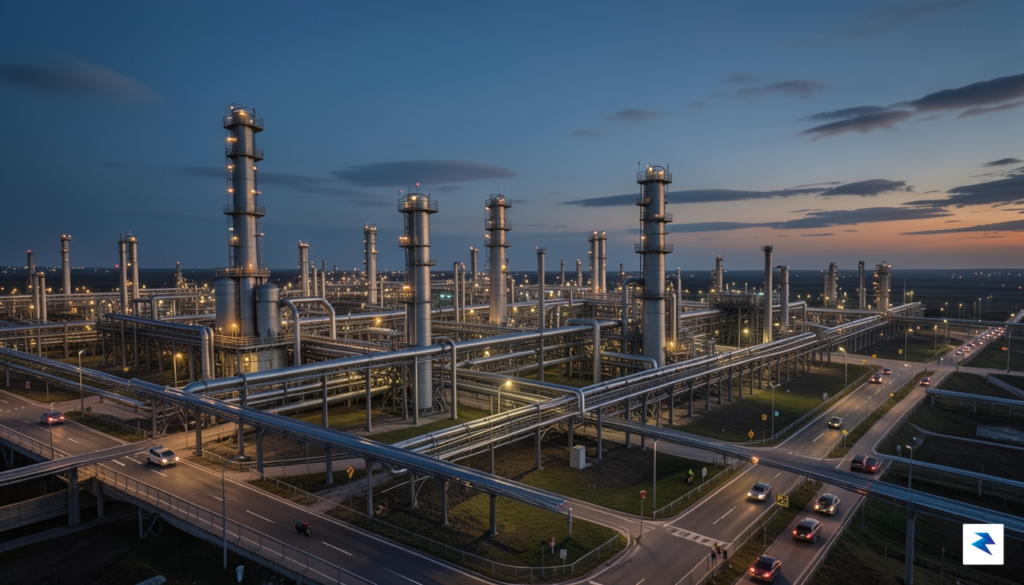
For the better part of the late 20th century, the global energy landscape was defined by the singular, iron-fisted authority of the Organization of the Petroleum Exporting Countries (OPEC). During this era, market stability was essentially a byproduct of cartel meetings held in Vienna, where a handful of nations could adjust production quotas to effectively manufacture scarcity or abundance. This supply-side hegemony meant that the price at the pump was determined almost exclusively by subterranean geology and the political consensus of producer states. However, the foundational pillars of this influence have quietly crumbled, replaced by a complex, decentralized grid where the power to set prices has migrated from those who pull the oil from the earth to those who consume it at scale.
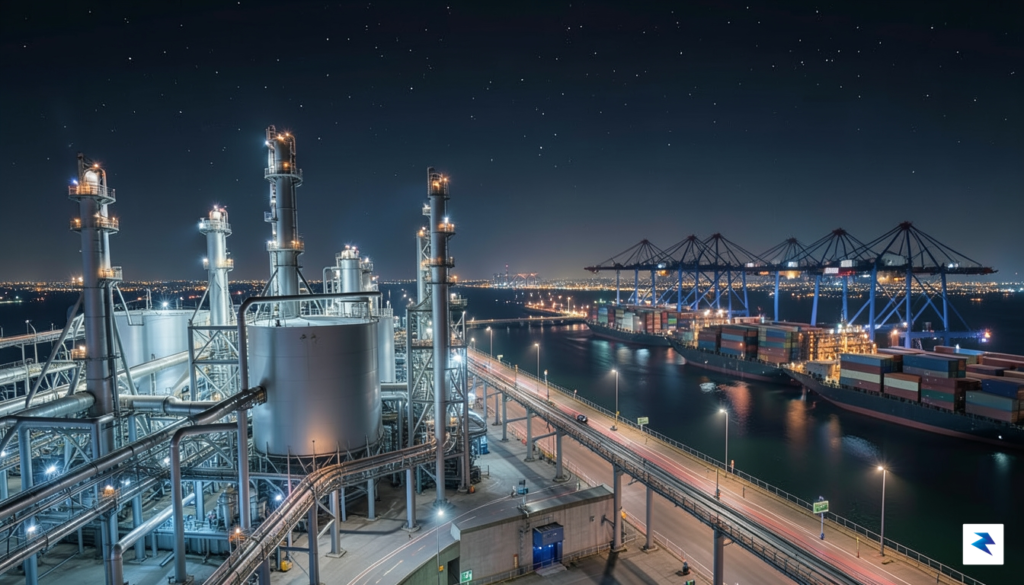
This transition represents a fundamental inversion of classical economic theory regarding commodity pricing. As global markets have become more interconnected and technologically advanced, the traditional “OPEC lever”—the ability to unilaterally constrain supply—has lost its potency against a backdrop of surging American shale production and the increasing energy efficiency of the West. Consequently, the focus has pivoted away from the barrel count and toward the velocity of industrial consumption. Today, price volatility is no longer a simple function of how much oil is being pumped out of the ground; instead, it is increasingly a mirror reflecting the health of the world’s largest industrial engines.
The true barometer of energy pricing has shifted from the boardroom of the cartel to the factory floors and strategic reserves of the world’s most aggressive importers.
This new reality is nowhere more evident than in the strategic maneuvers of China, which has emerged as the gravitational center of the global oil market. As the world’s largest crude importer, China’s internal economic policy, strategic stockpiling habits, and long-term trade alliances now dictate market sentiment far more effectively than any production quota ever could. When Beijing decides to expand its refining capacity or recalibrate its transition toward electrification, the ripple effects are felt instantly across global exchanges. In this environment, international trade relationships and bilateral energy deals have superseded the old guard’s dominance, proving that in the modern oil market, the one who buys the most holds the keys to the kingdom.
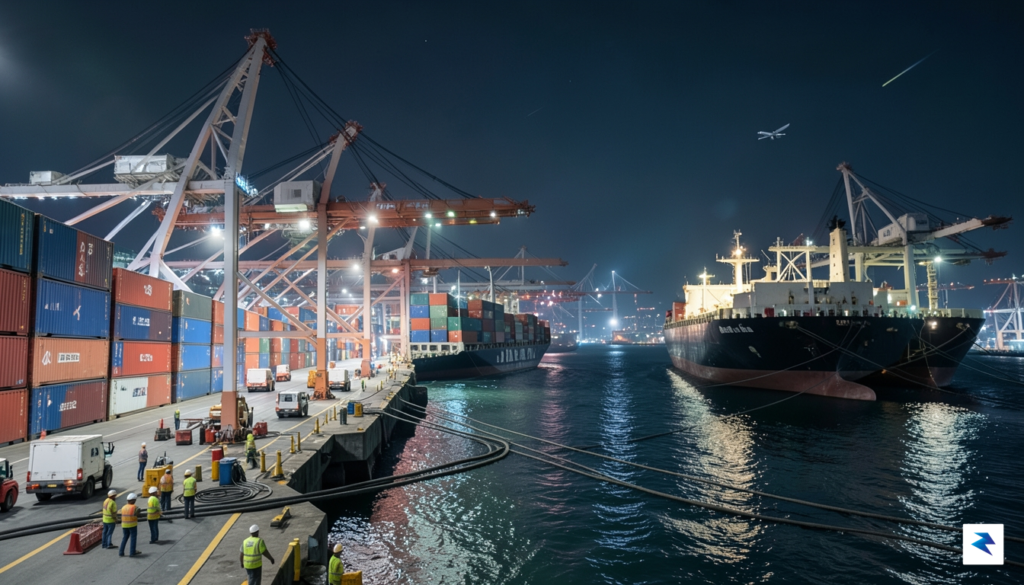
For decades, the global oil market was defined by the binary tension between producers and consumers, with the Organization of the Petroleum Exporting Countries (OPEC) holding the undisputed upper hand. However, the rise of China as the world’s preeminent energy importer has fundamentally shifted this power dynamic, effectively democratizing market influence. As China has evolved from a nascent industrial player into a sprawling economic engine, its voracious appetite for crude has transformed it into a silent, yet formidable, regulator of global energy prices. By strategically calibrating its import volumes and utilizing its massive strategic petroleum reserves (SPR), Beijing now possesses the unique ability to dampen the impact of supply shocks, often neutralizing the production cuts mandated by traditional cartels.
The sheer scale of China’s refining infrastructure serves as the backbone of this new market reality. With a massive network of independent and state-owned refineries, China does not merely consume oil; it processes it with a level of agility that allows for rapid shifts in demand. When global prices spike due to geopolitical tensions, such as the fraying truce between the United States and Iran, China often pivots by increasing its intake of discounted barrels from sanctioned nations or drawing down its domestic stockpiles. This state-led purchasing strategy creates a “buyer’s floor” that prevents prices from spiraling out of control, effectively undermining the leverage that OPEC members rely on to drive revenue.

Traditional economic theory long held that producers dictated the terms of trade because they controlled the tap. Yet, in the modern era, buyer power has emerged as a significant check on producer ambition. Because China accounts for such a substantial portion of global demand growth, its decision to accelerate or decelerate purchasing acts as a high-frequency signal to the rest of the world. When Beijing signals a slowdown, market sentiment shifts almost instantly, forcing producers to reconsider their price hikes. Conversely, when China steps up its buying, it provides the liquidity necessary to keep the global trade of hydrocarbons flowing, even in the face of widespread regional instability.
The transition of China from a price-taker to a price-shaper represents the most significant structural change in the energy market since the 1970s; today, a barrel of oil is worth only what the world’s largest importer is willing to pay for it.
Ultimately, this realignment means that the future of oil prices is no longer decided exclusively in the boardrooms of Vienna or Riyadh. As China continues to integrate its massive refining capacity with sophisticated long-term supply contracts, it effectively insulates its economy from the volatility of spot market fluctuations. By masterfully balancing its role as a massive consumer with its newfound role as a market stabilizer, China has carved out a position where it can dictate the rhythm of the global energy flow, leaving traditional producers to navigate a landscape where their collective influence is increasingly conditional upon Chinese demand.

The delicate diplomatic equilibrium between Washington and Tehran has long functioned as a barometer for global energy markets, yet the current fraying of their unofficial truce suggests we are entering a period of heightened unpredictability. As tensions simmer, the immediate market reaction is often characterized by reflexive spikes in crude futures, driven by fears that restricted access to the Strait of Hormuz could choke supply chains. However, the traditional narrative—that Western sanctions are the sole arbiter of Iranian oil availability—is increasingly outdated. Today, the impact of these geopolitical flashpoints is heavily filtered through the pragmatic energy requirements of Beijing, which has transformed from a mere buyer into a strategic lifeline for the Iranian economy.

China’s role as the primary importer of Iranian crude has effectively created a structural “price floor” that dampens the volatility typically triggered by Middle Eastern instability. While American policymakers oscillate between tightening sanctions and pursuing de-escalation, China’s steady, high-volume appetite for heavily discounted Iranian barrels ensures that the global market does not experience the supply shock that a full-scale embargo would otherwise necessitate. This relationship is not merely a matter of commercial convenience; it is a calculated geopolitical maneuver that allows Beijing to insulate its domestic industries from the fluctuations of the Western-dominated financial system. Consequently, even as rhetoric between the U.S. and Iran hardens, the physical flow of oil remains remarkably consistent, preventing the kind of supply-side collapse that would send international prices into a vertical climb.
The interplay between Iran’s geopolitical volatility and China’s energy security has fundamentally shifted the mechanisms of global oil pricing, making Beijing’s import strategy a more significant factor than traditional OPEC output quotas.
To understand the potential for future price surges, one must look beyond the noise of diplomatic brinkmanship and focus on the limits of Chinese demand. If the U.S. were to aggressively enforce maritime sanctions, the cost of transit and insurance for Iranian tankers would inevitably rise, forcing China to weigh the economic burden of these premiums against its broader strategic alignment with Tehran. Should Beijing decide that the cost of defiance outweighs the security of its energy imports, the market would face a genuine supply crisis. However, given China’s current focus on industrial stabilization and its efforts to bypass the dollar-denominated global oil trade, it is far more likely that they will continue to absorb Iranian supply, effectively insulating the global price of oil from the worst impacts of the crumbling U.S.-Iran relationship.

At the heart of global energy markets lies a fundamental shift: the traditional levers of pricing, once held firmly by OPEC, are increasingly being pulled by the industrial engines of Beijing. China’s energy strategy is a complex, high-stakes balancing act that prioritizes immediate industrial output alongside a cautious, long-term transition toward energy independence. Because China remains the world’s largest net importer of crude oil, even minor fluctuations in its manufacturing output or consumer spending reverberate instantly through global pricing models. This relationship between Chinese GDP growth and energy demand is no longer linear; as the nation pivots toward high-tech manufacturing and domestic consumption, the correlation between its economic health and oil consumption has become a sophisticated, multi-layered variable that traders struggle to predict.
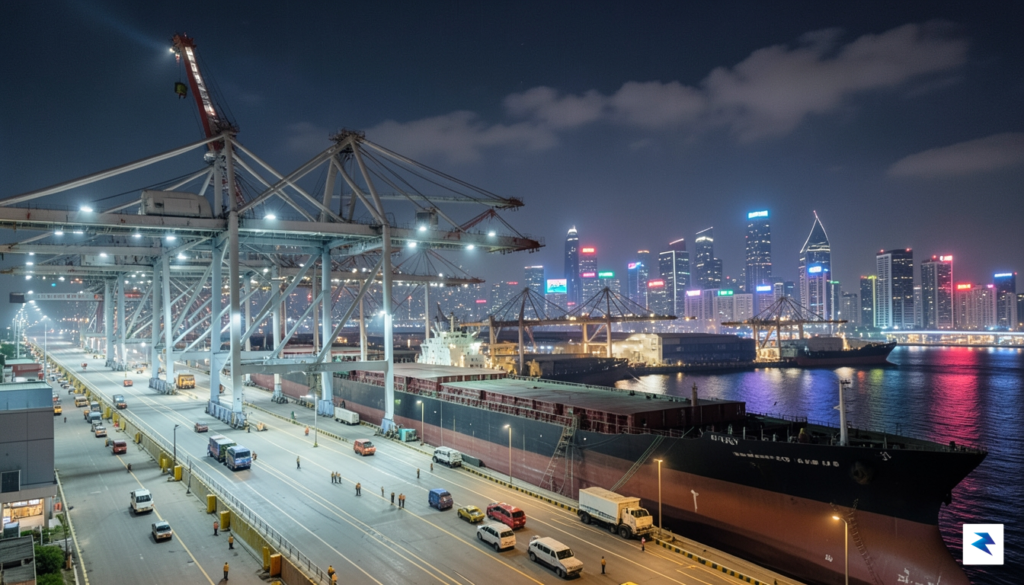
A critical component of this influence is China’s aggressive management of its Strategic Petroleum Reserve (SPR). Unlike many nations that use reserves strictly for emergency supply shocks, China has historically utilized its SPR as a tactical buffer to manage price volatility. When global crude prices soar, Beijing often releases portions of its reserves to cool the market, effectively capping the ceiling on oil prices. Conversely, during periods of market weakness, China has frequently engaged in strategic buying, absorbing excess supply and providing a firm floor for global prices. This “dual-track” market management allows China to insulate its domestic economy from the worst of global price swings while simultaneously signaling its immense capacity to dictate the equilibrium of international trade.
The true power of the Chinese energy model lies not in its volume alone, but in its ability to act as a global price shock absorber that balances fossil fuel reliance with a massive expansion into renewable infrastructure.
Simultaneously, China is executing a dual-track strategy that seems contradictory to the casual observer: it is simultaneously the world’s leading investor in renewable energy and a major importer of traditional hydrocarbons. While the government pours billions into solar, wind, and electric vehicle (EV) infrastructure to achieve long-term carbon neutrality, it recognizes that these transitions take decades, not years. Consequently, Beijing is securing fossil fuel supply chains through long-term contracts with producers in the Middle East and Russia to ensure that its factories—the backbone of its GDP—never run out of power. This strategy creates a unique market equilibrium where China’s appetite for crude remains high to support current industrial growth, yet its long-term planning ensures it is insulated against the potential for permanent declines in oil demand, effectively making the nation the final arbiter of when the global fossil fuel era might truly begin to wane.

For investors and industry leaders, the traditional playbook of fixating exclusively on OPEC production quotas has become increasingly obsolete. In today’s complex energy landscape, the primary driver of price volatility has shifted toward the intersection of East Asian demand and the delicate geopolitical balance in the Middle East. Navigating this environment necessitates a transition from passive observation to active, granular analysis of real-time trade flows and macroeconomic signals. Stakeholders must now prioritize data points that reveal the true health of Chinese industrial output, as even minor fluctuations in Chinese refinery intake can trigger significant ripple effects across global commodity markets.
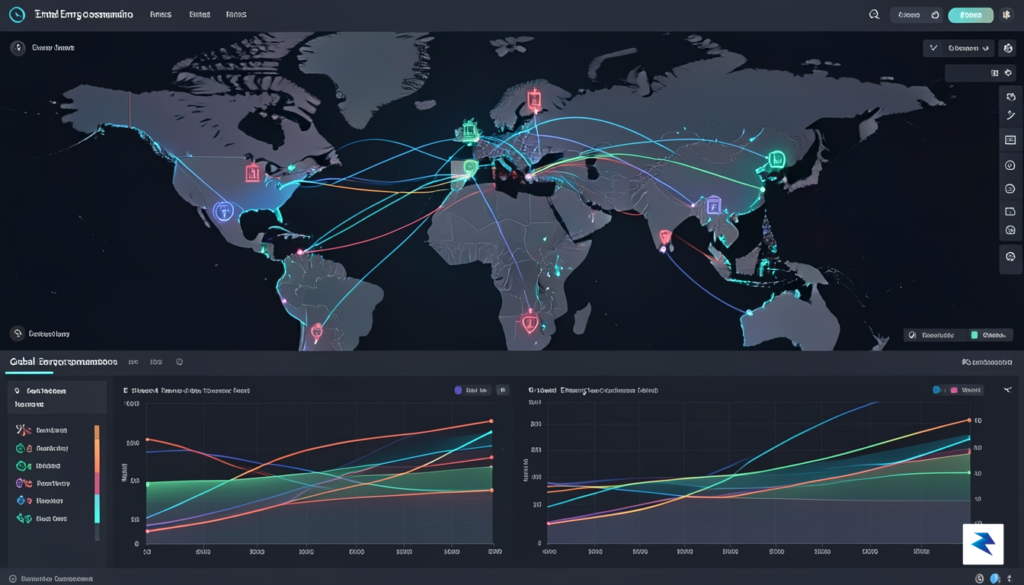
To effectively manage risk in this volatile climate, market participants should adopt a multi-layered monitoring framework. Relying on official national statistics is no longer sufficient; instead, industry leaders should integrate high-frequency tracking tools, such as satellite-based tanker monitoring and port congestion data, to gain a clearer picture of actual crude movement. By cross-referencing Chinese import volume against domestic manufacturing indices, investors can identify discrepancies between projected demand and actual consumption before they manifest in broader price swings. Furthermore, diplomatic signals originating from Tehran and Washington should be treated not as isolated political events, but as direct precursors to supply-side constraints that could tighten global inventories overnight.
Success in the modern energy market depends on moving beyond headline news to understand the subterranean shifts in supply chain logistics and geopolitical alliances.
Risk management strategies must reflect this heightened state of uncertainty, favoring agility over rigid long-term positioning. For those operating within the energy sector, this means diversifying supply chains and maintaining more robust hedging positions to guard against sudden price spikes caused by regional escalations. Investors should consider a balanced portfolio approach that accounts for the “China factor”—hedging energy-heavy assets with positions that benefit from regional stability or alternative energy transitions. As we look toward the next fiscal year, the interplay between Beijing’s economic stimulus efforts and the durability of the current US-Iran tension will likely dictate the price floor for crude.
Ultimately, the coming months will likely be characterized by a tug-of-war between supply-side geopolitical risks and demand-side economic fragility. If China successfully stimulates its manufacturing sector, the market may experience upward price pressure even in the face of supply volatility. Conversely, a sluggish Chinese recovery will likely provide a buffer against supply shocks, keeping prices within a moderate range. By staying focused on these granular indicators rather than broad rhetoric, stakeholders can better anticipate, rather than merely react to, the next major price cycle.
You must be logged in to post a comment.