The End of the Disc: Why Physical Media Is Disappearing from Gaming
Is the era of the physical game disc ending? Explore the shift to digital, the risks to ownership, and what the future holds for game collectors.
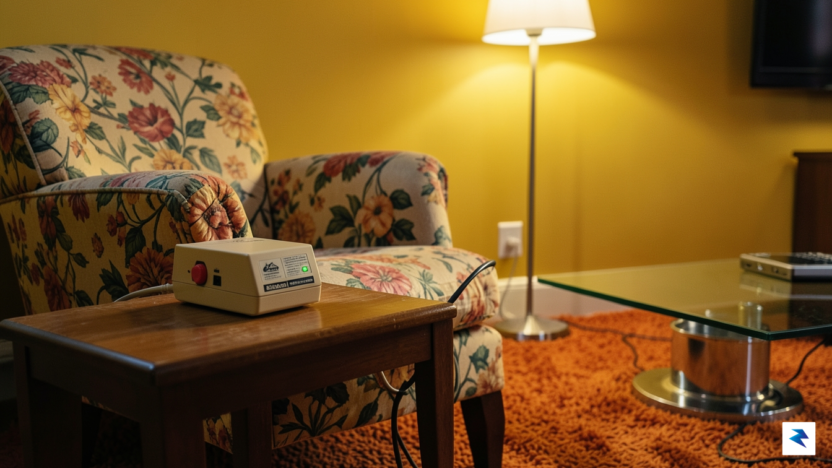
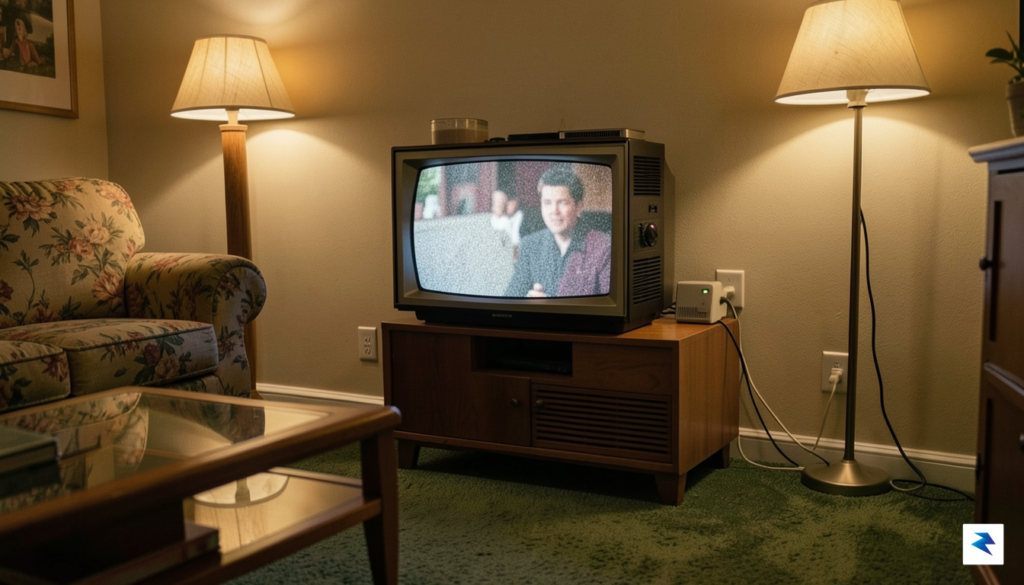
Before the dawn of the internet or the ubiquity of smartphone-controlled light bulbs, there was a simple, plastic plug-in device that promised to bring the future directly into the American living room. The Clapper was far more than a mere electronic gadget; it was a cultural juggernaut that defined an entire era of late-night television. Through repetitive, high-energy infomercials that seemed to air during every commercial break of the late 1980s, the device cemented itself in the national consciousness. Its relentless marketing campaign didn’t just sell a product; it sold the intoxicating idea that domestic convenience was only two sharp hand movements away, turning a basic sound-activated relay into a household necessity.
The jingle—”Clap on, clap off, the Clapper”—became an earworm of legendary proportions, transcending the gadget itself to become a permanent fixture in 80s pop culture. It was referenced in sitcoms, spoofed by late-night comedians, and parodied in movies, proving that the device had successfully infiltrated the collective imagination. Even those who never purchased the product were intimately familiar with the concept, as the rhythmic sound of clapping became synonymous with a lazy, futuristic lifestyle. This ubiquity ensured that the brand transcended the limitations of its actual utility, evolving from a simple hardware accessory into a shorthand for the aspirational, yet often clunky, nature of late-twentieth-century technology.
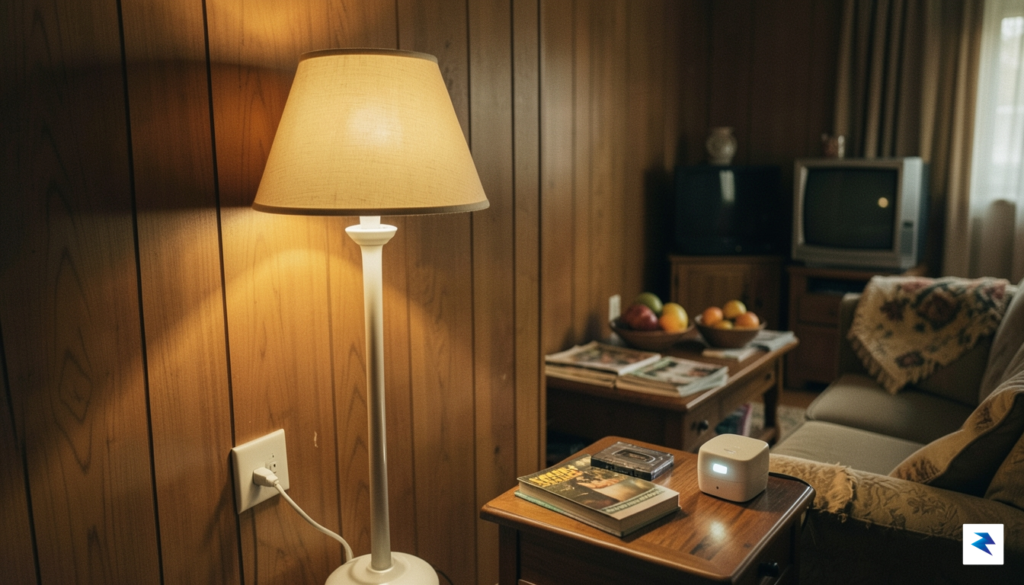
The Clapper didn’t just automate a lamp; it successfully marketed the dream of effortless control, tapping into a primal human desire for convenience that would eventually drive the entire multi-billion dollar smart home industry decades later.
Ultimately, the significance of the device lies in how it successfully bridged the gap between analog reality and digital fantasy. For a generation living in a pre-connected world, the ability to control an appliance without physically moving was nothing short of miraculous, even if the technology was notoriously temperamental. By promising to automate the home with nothing more than the sound of one’s hands, the manufacturers created a premature, widespread hunger for home automation. While the actual experience of using the product often involved accidentally switching off the lights while sneezing or watching a television show, the cultural impact remained untouched. It served as a vital, albeit imperfect, precursor to the sophisticated voice-activated assistants we rely on today, proving that the vision of a “smart” home was firmly planted in the public psyche long before the hardware was ever truly ready to support it.
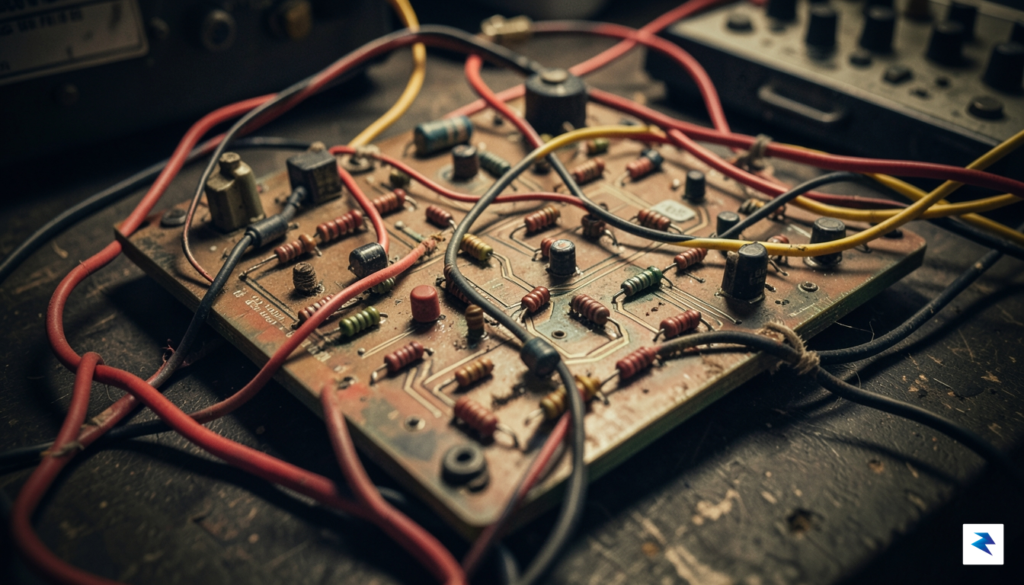
The allure of hands-free home automation, particularly for something as fundamental as lighting, was a powerful concept in the late 1980s. Imagine simply clapping your hands and having the lights respond to your command – a vision of futuristic convenience that captivated millions. However, the shiny promise plastered across television screens quickly collided with a frustrating engineering reality once the device was plugged into a wall socket. At its core, The Clapper relied on a remarkably primitive acoustic sensor, essentially a microphone coupled with a simple sound-activated relay circuit, designed to detect sharp, percussive sounds within a specific frequency range. Unlike today’s sophisticated smart speakers that leverage complex algorithms and neural networks to understand natural language and differentiate voices, The Clapper possessed no such intelligence, rendering it utterly incapable of distinguishing between a deliberate, rhythmic clap and a myriad of other ambient noises.
This fundamental lack of discernment became the source of endless user frustration, primarily revolving around the device’s infamous “sensitivity” dial. This dial was meant to be the user’s salvation, allowing them to calibrate The Clapper to their specific environment. In practice, it was a torment. Turn the sensitivity too low, and your most forceful, perfectly timed claps would be met with deafening silence and unlit rooms, leaving you flailing your hands in comedic desperation. Conversely, crank the sensitivity too high, and the device transformed into an unpredictable poltergeist, triggering lights at the slightest provocation. It was a constant, Sisyphean struggle to find a mythical “sweet spot” that rarely, if ever, held stable, often shifting with changes in room acoustics or even the user’s own position.
The inherent limitations of this rudimentary sound detection meant that The Clapper was exceptionally vulnerable to interference from virtually any sudden, sharp noise. A dropped book landing on the floor with a thud, a dog barking unexpectedly, the sharp crackle of a television show, or even a particularly emphatic sneeze could send lights flashing on or off without warning. Picture settling down for a quiet evening, only for your living room to plunge into darkness because your cat jumped off the couch, or having your bedroom lights blaze to life in the middle of the night due to a car door slamming outside. This constant stream of false positives undermined any sense of control or convenience the device promised, transforming it from a helpful assistant into an irritating, unpredictable gadget that dictated the state of your lighting.
Beyond the ambient noise issue, the very act of clapping to activate The Clapper presented its own unique challenge: precision. The device was designed to recognize specific clap patterns – typically two or three distinct claps in quick succession – to differentiate between “on” and “off” commands. Yet, consistently producing claps with the exact rhythm, intensity, and spacing required for reliable activation proved surprisingly difficult for many. A clap that was slightly too soft, too loud, too fast, or too slow would simply be ignored, leading to repetitive, exasperated attempts that often felt more like an audition than a simple command. This demand for an unnatural, repeatable percussive performance turned what should have been an effortless action into a source of physical and psychological strain, ultimately cementing The Clapper’s reputation as a brilliant idea poorly executed.
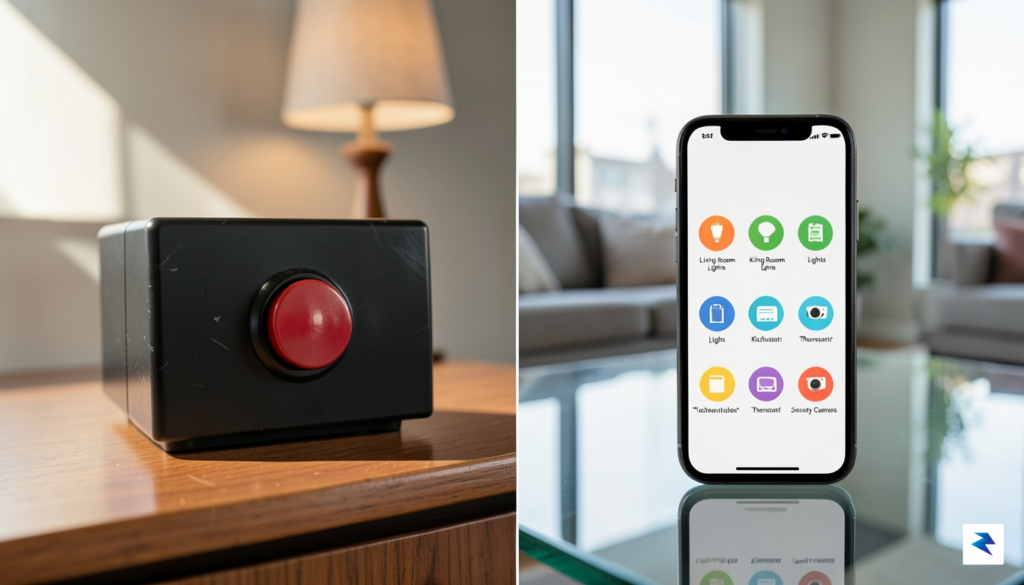
Long before the era of seamless voice-activated artificial intelligence, the average consumer’s dream of a futuristic, automated household was distilled into a single, plastic plug-in device. The Clapper stands as the true spiritual ancestor to the modern smart hub; it was a primitive yet bold declaration that we no longer wanted to physically interact with our environment to change it. While today’s Google Home or Amazon Alexa ecosystems rely on complex natural language processing and cloud connectivity, The Clapper functioned on the simple, binary logic of sound frequency recognition. It tapped into a fundamental human desire for frictionless living—the pursuit of “lazy convenience”—where the effort required to flip a light switch was suddenly deemed an unnecessary tax on our time.
This early obsession with automation reveals a fascinating psychological shift in how we viewed our domestic spaces. By removing the need to walk across a room, The Clapper transformed the living room from a static space into a responsive extension of the user’s intent. Though the execution was famously flawed—often triggered by barking dogs, slamming doors, or a misplaced sneeze—it proved that there was a massive, untapped market for home automation. Consumers were not necessarily looking for sophisticated networking or data privacy; they were looking for a shortcut. The Clapper was essentially the “minimum viable product” of the smart home revolution, successfully convincing an entire generation that their environment should be subservient to their auditory commands.
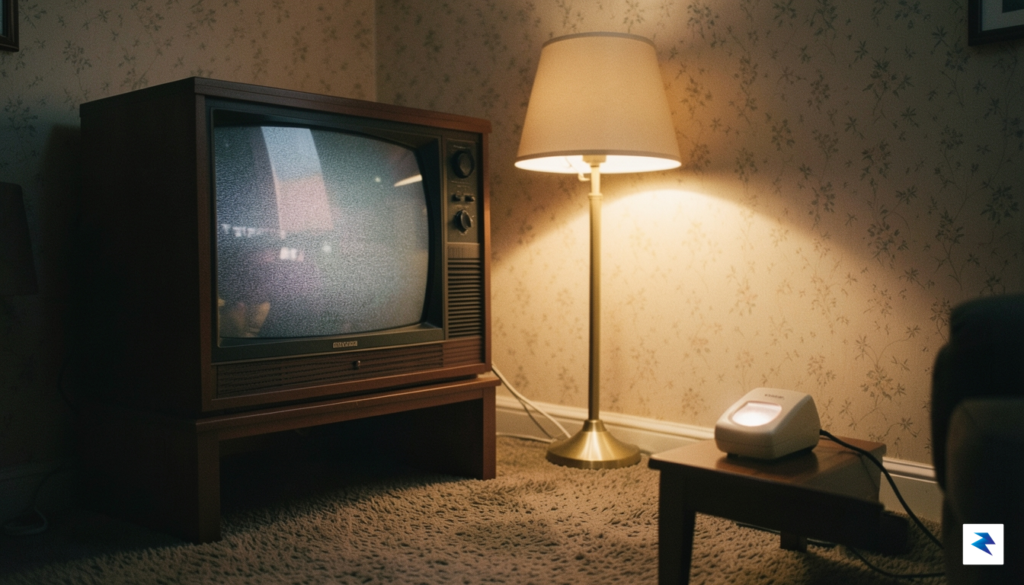
When we hold The Clapper up against today’s sophisticated IoT landscape, the parallels are striking. We have traded the rhythmic strike of our palms for the conversational cadence of “Hey Siri” or “Alexa,” yet the underlying premise remains identical. We are still striving to control our lighting, temperature, and security with minimal physical exertion. The Clapper set the stage by establishing the expectation that home technology should be passive, ambient, and instantly gratifying. Even though it lacked the intelligence of modern chips, it successfully normalized the concept of the “connected” home. It taught us that we wanted our houses to listen to us, even if, at the time, our houses were barely intelligent enough to know the difference between a clap and a kitchen accident.
The Clapper was not a technological marvel; it was a cultural milestone that defined our transition from manual households to the era of automated convenience.
Ultimately, the gadget’s legacy is not found in its circuitry, but in the precedent it set for user behavior. It proved that automation succeeds only when it feels like magic, regardless of how messy the underlying technology might be. Modern developers have spent decades refining the reliability of voice commands to ensure that our smart devices don’t trigger by accident, but they are still chasing the same dream that The Clapper sold us in 1985: the ability to command our world from the comfort of our couches.
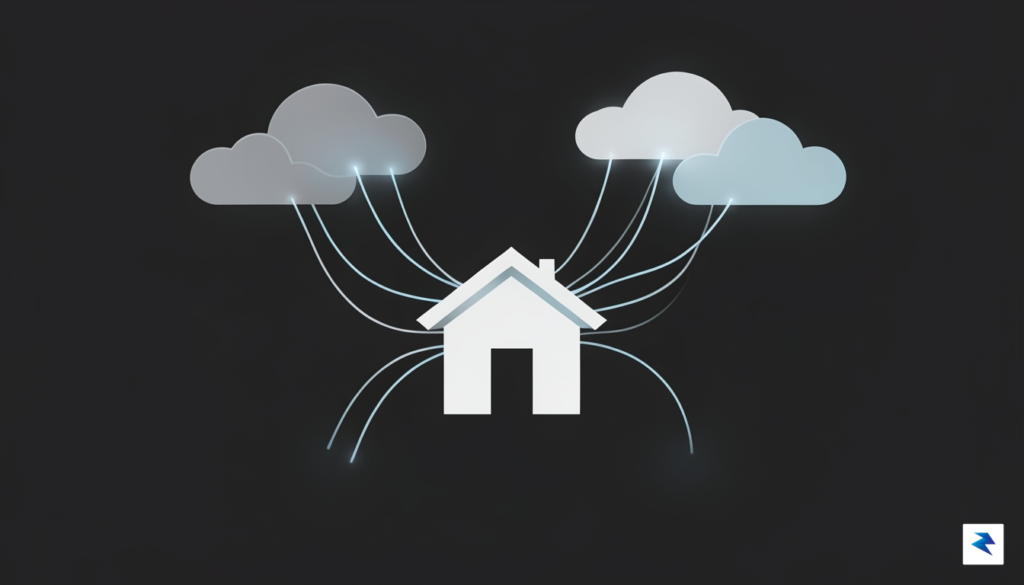
The journey from the rhythmic clap of the 1980s to the seamless, invisible automation of the modern smart home is a testament to our relentless pursuit of convenience. In its prime, The Clapper was a marvel of simple acoustic engineering, relying on basic sound-sensitive relays to toggle power. However, it was famously unreliable; a barking dog, a dropped book, or even a sneeze could accidentally trigger the lights, turning a supposed luxury into a source of domestic frustration. These early attempts at automation were isolated, proprietary hardware solutions that lacked any form of intelligence or context, creating a world where we were literally clapping at our furniture just to navigate a dark room.
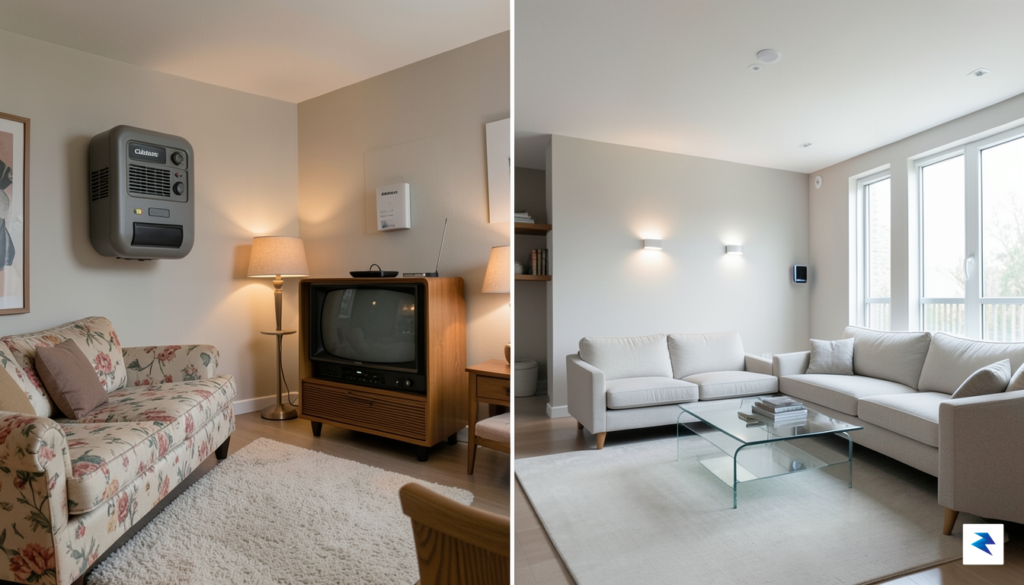
As technology matured, we transitioned from basic acoustic triggers to the era of Wi-Fi-enabled smart plugs and integrated ecosystems. This shift represented a fundamental change in how we interact with our environment: instead of relying on rudimentary sound detection, devices became part of a networked infrastructure that could be managed from anywhere on the planet. By tethering home hardware to the cloud, manufacturers effectively solved the “unreliability” issue that plagued The Clapper. Modern smart plugs and integrated systems now utilize sophisticated authentication and signal processing, ensuring that only intentional commands—whether issued through an app or a wireless signal—ever reach the circuit.
The evolution of the smart home is not just about better sensors; it is about moving from reactive, noise-prone gimmicks to proactive, context-aware ecosystems that understand the user’s intent.
Today, the integration of AI-driven voice recognition has fundamentally altered the landscape of domestic automation. Unlike the binary “on or off” limitations of our earlier gadgets, current ecosystems leverage natural language processing to understand complex, nuanced requests. We no longer need to perform physical gestures or worry about accidental triggers from background noise, as machine learning models are now trained to distinguish between a human voice and the ambient cacophony of a busy household. Despite this massive leap in capability—moving from a simple acoustic relay to a global network of cloud-managed intelligence—the core human desire remains identical to what it was four decades ago: the drive for a frictionless existence where our environment anticipates our needs before we even have to ask.
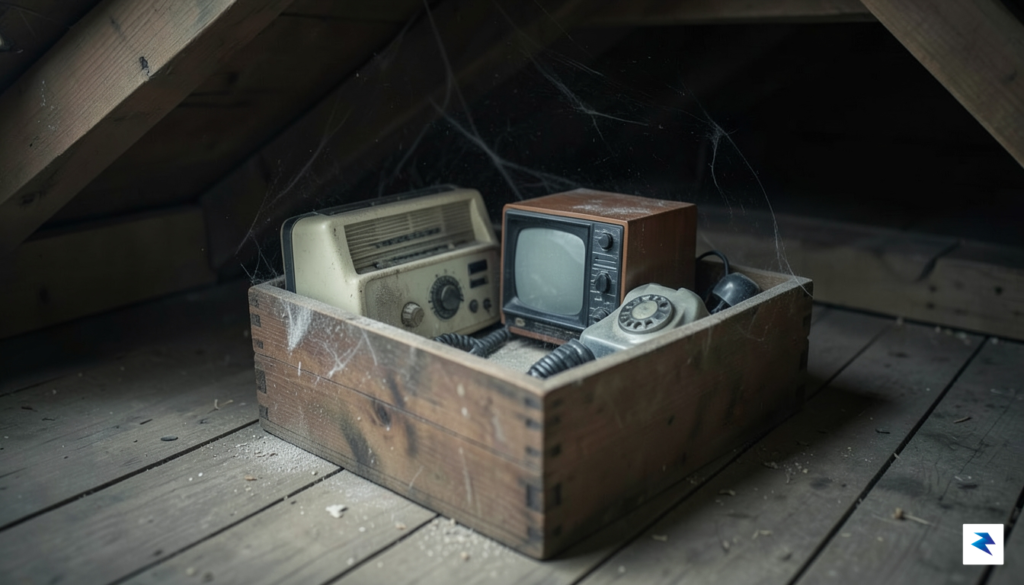
Looking back at the Clapper today, it is easy to dismiss the device as a relic of a primitive, analog era, yet its cultural persistence speaks to a deeper human desire for frictionless automation. We view this gadget with a sense of nostalgic fondness not because it worked particularly well, but because it represented the first true attempt at mass-market ambient computing. The Clapper was a “charming failure”—a piece of technology that promised a futuristic lifestyle of effortless command, even if the reality involved flicking your wrists at a plastic box until your palms stung. This trope of the flawed pioneer is essential to the history of consumer electronics; it reminds us that innovation is rarely a clean, vertical climb toward perfection. Instead, progress is often a messy, iterative process paved with “good enough” solutions that struggle to bridge the gap between imagination and technical capability.
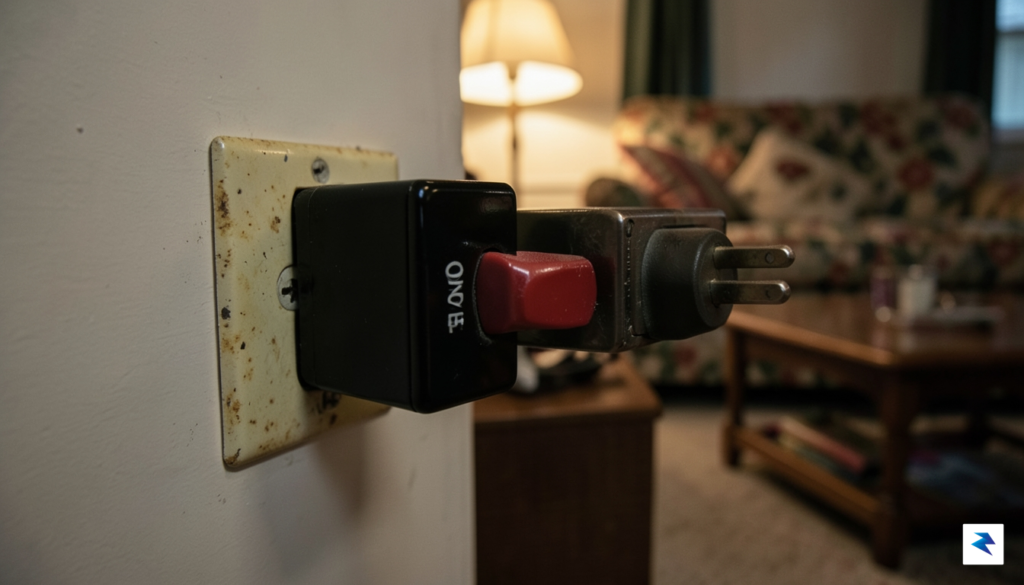
The history of the Clapper teaches us that the path to widespread technological adoption is almost always littered with early experiments that prioritize novelty over reliability. While modern consumers might scoff at the idea of a lamp turning on because a dog barked or a door slammed shut, those early frustrations laid the groundwork for the voice-controlled ecosystems we rely on today. These devices acted as a proof of concept for the “smart home,” teaching engineers that consumers were willing to embrace automation if it could solve even the smallest domestic inconveniences. By failing to be perfectly reliable, the Clapper actually helped define the threshold of what users were willing to tolerate, eventually pushing the industry toward more sophisticated sensors and software-driven logic.
True innovation is rarely a straight line; it is often paved with failed experiments and “good enough” solutions that eventually pave the way for true technological breakthroughs.
Today, our smart homes face hurdles that are far more complex than those encountered by the Clapper, yet the core struggle remains remarkably similar. We have moved from simple sound-trigger circuits to cloud-connected, AI-driven hubs, yet the frustration of a misinterpreted command or a lost Wi-Fi connection feels like a modern iteration of the “clap-on, clap-off” dance. The legacy of the Clapper is, therefore, a reminder of our enduring patience with imperfect systems. We continue to invite these gadgets into our private spaces because we are perpetually chasing that elusive promise of seamless control. Even as we integrate complex smart lighting and automated security systems, the Clapper remains a humble mentor, reminding us that every major leap in convenience begins with a clumsy, imperfect step in the dark.
You must be logged in to post a comment.