Should You Buy a Mac Studio Now or Wait for M5 Ultra?
The Current State of the Mac Studio At its core, the Mac Studio powered by the M2 Ultra remains a titan of modern computing, serving as a…
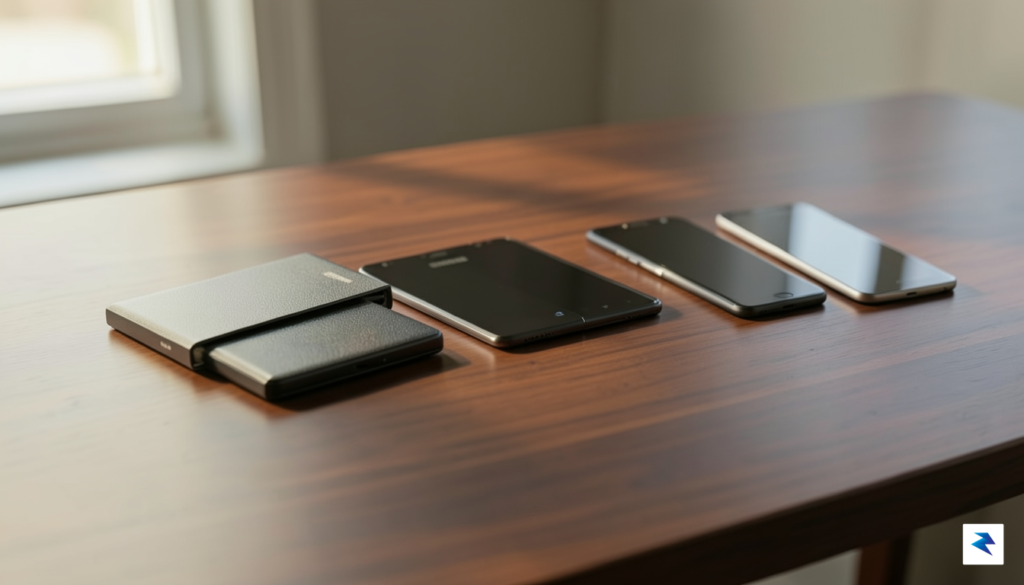
When Samsung first introduced the foldable category to the global market, the primary challenge was existence itself. The early iterations of the Galaxy Fold were experimental marvels, pushing the boundaries of material science and flexible display technology to prove that a phone could indeed transform into a tablet. For years, the company’s engineering focus was centered almost exclusively on structural durability—perfecting the hinge mechanism, protecting the delicate inner screen from debris, and ensuring the device could withstand thousands of folds without catastrophic failure. While these technical milestones were necessary, they often came at the expense of day-to-day ergonomics, leaving early adopters to navigate a device that felt more like a specialized piece of hardware than a daily driver.
The most persistent point of contention throughout this journey has been the front-facing cover screen. In the pursuit of a comfortable “one-handed” folded grip, Samsung leaned into a noticeably tall and narrow aspect ratio. While this design choice made the device easy to hold, it created a fragmented user experience; the screen was often too cramped for typing, reading emails, or navigating complex apps, effectively forcing users to unfold the device for even the simplest tasks. This narrow footprint became the defining compromise of the series, a constant reminder that the foldable form factor was still in its infancy, prioritizing the novelty of the inner display over the utility of the outer one.
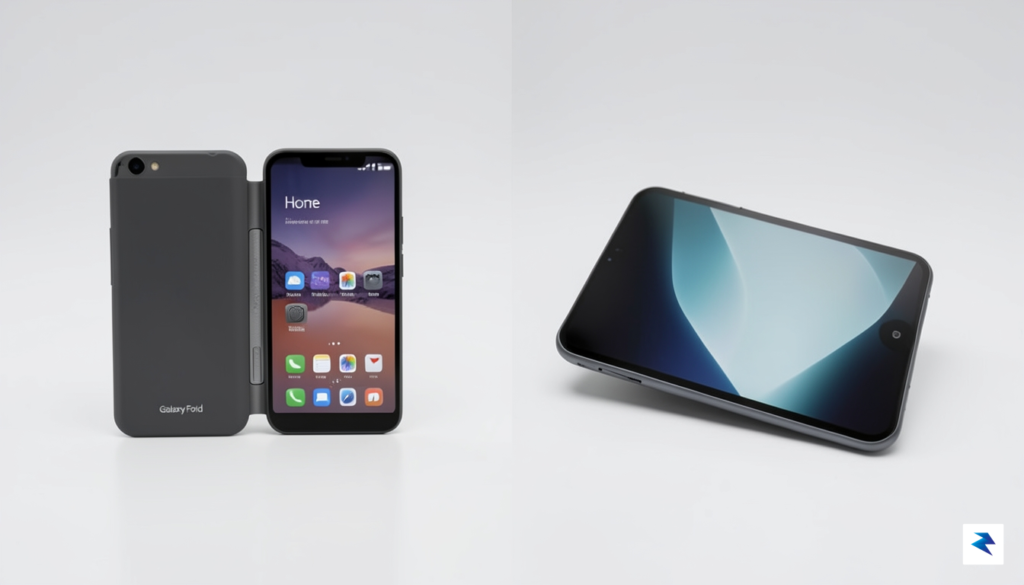
As the market has matured, Samsung has clearly begun to listen to the chorus of user feedback demanding a more traditional smartphone experience. The iterative updates we have seen in recent years—moving toward slimmer hinges and slightly wider dimensions—represent a broader shift in strategy. The company is no longer just trying to prove that foldables can work; they are now obsessively refining how those devices should work. By moving away from the ultra-narrow aspect ratio, the upcoming generation of devices aims to bridge the gap between a standard flagship phone and a tablet-sized powerhouse, ensuring that the cover screen is no longer a secondary afterthought but a fully functional interface.
The true hallmark of a mature technology is not how much it defies convention, but how seamlessly it integrates into the habits we have already built.
This evolution is critical because it acknowledges that productivity isn’t just about screen real estate; it is about accessibility. When the closed-phone design mirrors the dimensions of a conventional smartphone, the transition between folded and unfolded states becomes fluid rather than jarring. As leaks continue to point toward a significantly wider design for the next generation, it is clear that Samsung is entering a phase of refinement where ergonomics are taking center stage. By prioritizing a more natural, usable front screen, the manufacturer is finally addressing the last major hurdle in making the foldable form factor a truly mainstream, essential device for everyone.
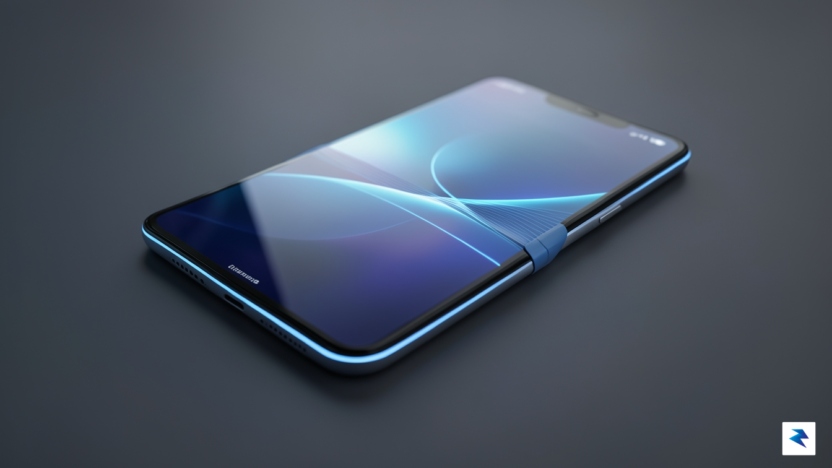
The latest whispers and rendered images circulating around the Samsung Galaxy Z Fold 8 point to a truly transformative design shift, signaling a pivotal departure from the familiar, tall, and somewhat narrow aspect ratio that has defined the series since its inception. This isn’t just a minor tweak; it’s a fundamental rethinking of the device’s closed form factor, seemingly driven by a clear intent to enhance everyday usability. The most striking change centers on a significantly wider cover screen, a move that promises to bridge the gap between a foldable and a conventional smartphone experience when the device is folded shut.
Comparing the leaked renders to the existing Galaxy Z Fold 6 design immediately highlights the dramatic difference. While previous iterations often presented a somewhat cramped external display, forcing users to unfold for tasks like extensive typing or complex navigation, the Z Fold 8 appears to embrace a more traditional smartphone width. Imagine a cover screen that feels less like a remote control and more like a standard Galaxy S-series phone. This expanded canvas means users could comfortably type full sentences, browse web pages without excessive side-scrolling, and interact with apps in a far more natural manner, all without the constant need to open the device. This ergonomic improvement alone could drastically alter the perception of the Fold series as a primary daily driver.
Beyond the visual aspect ratio, the leaks also hint at significant advancements in the device’s physical dimensions and material composition. There’s a strong indication that Samsung is striving for a lighter and thinner chassis, even with the expanded cover screen. Achieving this delicate balance between a wider footprint and reduced bulk would likely involve innovations in hinge technology and the use of advanced, lightweight materials for the frame and internal components. Such improvements are crucial for maintaining the structural integrity that users expect from a premium foldable, ensuring that the device feels robust and durable despite its sophisticated folding mechanism. A lighter, thinner device would inherently be more pocketable and comfortable to hold for extended periods, further enhancing its appeal as an everyday companion.
Ultimately, these design choices underscore a maturing philosophy within Samsung’s foldable division. The company appears to be actively listening to user feedback, acknowledging that while the large internal display is a marvel, the closed-phone experience needs to be equally compelling and practical. By making the Z Fold 8’s cover screen genuinely usable for a broader range of tasks, Samsung is not just refining its hardware; it’s making a bold statement about the future of foldables. This evolution suggests a strategic push to make the Galaxy Z Fold series a more universally appealing device, seamlessly integrating the convenience of a traditional smartphone with the expansive utility of a tablet, all within one sleek and innovative package.
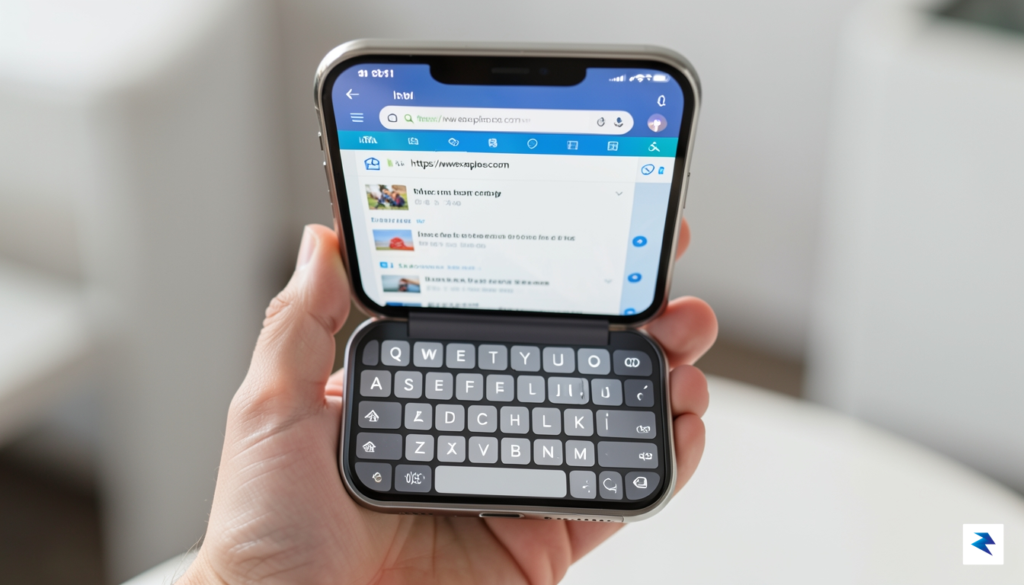
For years, the cover screen on foldable phones like Samsung’s Galaxy Z Fold series has been a consistent point of discussion, often feeling more like a secondary display for quick glances than a fully capable interface. Its characteristically narrow aspect ratio, while contributing to the phone’s overall compact folded form, has frequently led to a compromised user experience for anything beyond basic notifications. Imagine attempting to type a lengthy message, scroll through a busy social media feed, or navigate a webpage on a screen that feels ergonomically constrained. This inherent limitation has pushed users to constantly unfold their device for even moderately complex tasks, undermining the very convenience a dual-screen setup promises.
A wider cover screen, as suggested by recent leaks, represents a fundamental re-evaluation of this design philosophy. It’s not merely an aesthetic tweak but a significant ergonomic upgrade that promises to transform how users interact with their device in its folded state. When the outer display more closely resembles a traditional smartphone screen, the benefits become immediately apparent. Texting becomes a far more comfortable and accurate experience, drastically reducing typos and the frustration of cramped keyboards. Similarly, scrolling through Instagram, X (formerly Twitter), or TikTok feeds no longer requires squinting or repetitive scrolling, as more content can be displayed at once, making the experience genuinely enjoyable and efficient. Quick web browsing, too, becomes a viable option, allowing users to read articles or check information without the immediate need to unfold the phone and transition to the larger internal display.
Beyond the immediate user comfort, a wider cover screen inherently improves app compatibility and streamlines developer efforts. Many existing Android applications are designed with more conventional smartphone aspect ratios in mind. When the cover screen closely mirrors these standard dimensions, apps scale and display much more gracefully, reducing the need for specific, often clunky, optimizations for an ultra-narrow format. This means developers can spend less time creating bespoke cover screen interfaces and more time ensuring a consistent, rich experience across all screen states. Ultimately, this change elevates the cover screen from a mere notification ticker to a genuinely primary, capable device, seamlessly handling a broader range of everyday applications without compromise.
However, it’s crucial to acknowledge the potential trade-offs that come with increasing the cover screen’s width. A wider device, even by a few millimeters, can impact handling and one-handed usability. The delicate balance between a comfortably wide external display and a device that still feels compact and manageable in the hand when folded is paramount. While some users might find a slightly wider phone less ideal for single-handed gripping, the enhanced utility of the cover screen for daily tasks could easily outweigh this minor inconvenience. The goal isn’t to make the folded phone feel like a standard slab phone, but rather to optimize its usability to the point where unfolding becomes an intentional choice for immersive content, rather than a forced action for basic interaction.
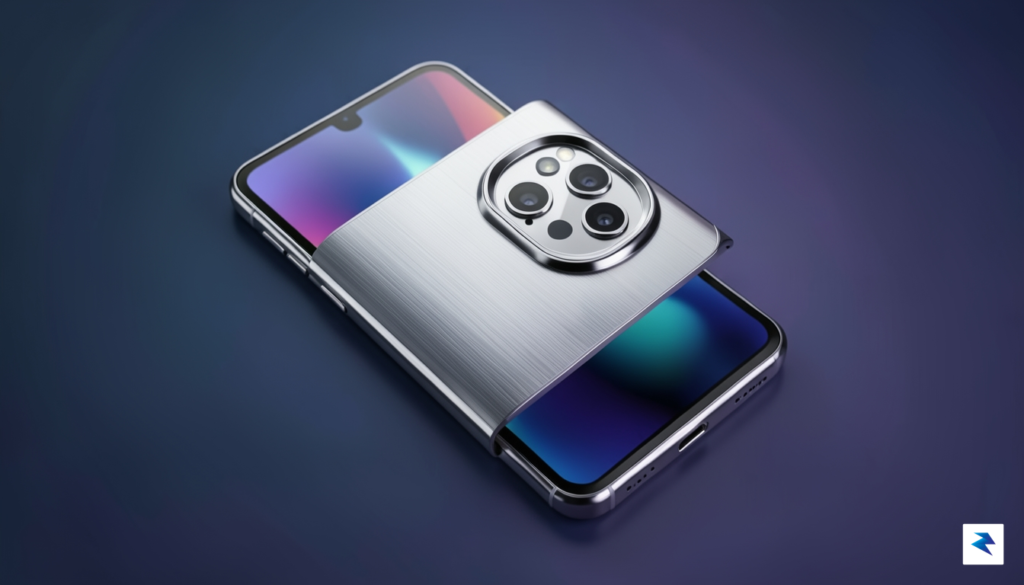
Beyond the buzz surrounding the standard model’s refined ergonomics, the industry is currently abuzz with speculation regarding a potential Galaxy Z Fold 8 “Ultra.” For power users who have long felt that foldable devices required too many compromises in the camera department, this whispers of a premium variant represent the ultimate wishlist come to life. Rather than simply iterating on the core design, an Ultra model would likely serve as a technological showcase, integrating top-tier hardware that is typically reserved for Samsung’s traditional slab-style flagships. By carving out a separate, elite tier, Samsung could finally provide a device that reconciles the convenience of a tablet-sized workspace with the uncompromising performance demanded by professional mobile photographers and multitaskers.
The primary hardware differentiator for such a device would almost certainly be the camera array. Historically, the Fold series has lagged behind the Galaxy S-series Ultra models, but a premium Z Fold 8 could bridge that gap by incorporating the 200MP main sensor or an upgraded periscope telephoto lens. Beyond optics, enthusiasts are looking for enhancements in battery density and charging speeds, which have remained relatively stagnant in the foldable category due to space constraints. Integrating a larger battery or more efficient power management would be essential for a device intended to handle intensive S-Pen workflows and high-resolution media editing throughout the day. Furthermore, we might see the introduction of a more durable, integrated S-Pen silo, eliminating the need for bulky cases and making the stylus a truly seamless part of the professional experience.
A tiered approach to foldables suggests that Samsung is shifting its strategy from simple market penetration to catering to a highly demanding niche that views the phone as their primary workstation.
Implementing this tiered strategy makes immense sense given the current state of the foldable market. As consumer interest matures, the “one size fits all” approach becomes increasingly difficult to maintain; casual users seek affordability and portability, while power users are willing to pay a premium for hardware that replaces their laptop or professional camera. By segmenting the lineup, Samsung can maintain a competitive entry point for the standard Fold while simultaneously capturing the high-margin market of professionals who refuse to settle. If these rumors hold true, the Z Fold 8 Ultra could mark the transition of foldables from a luxury novelty to the definitive tool of choice for the modern digital nomad.
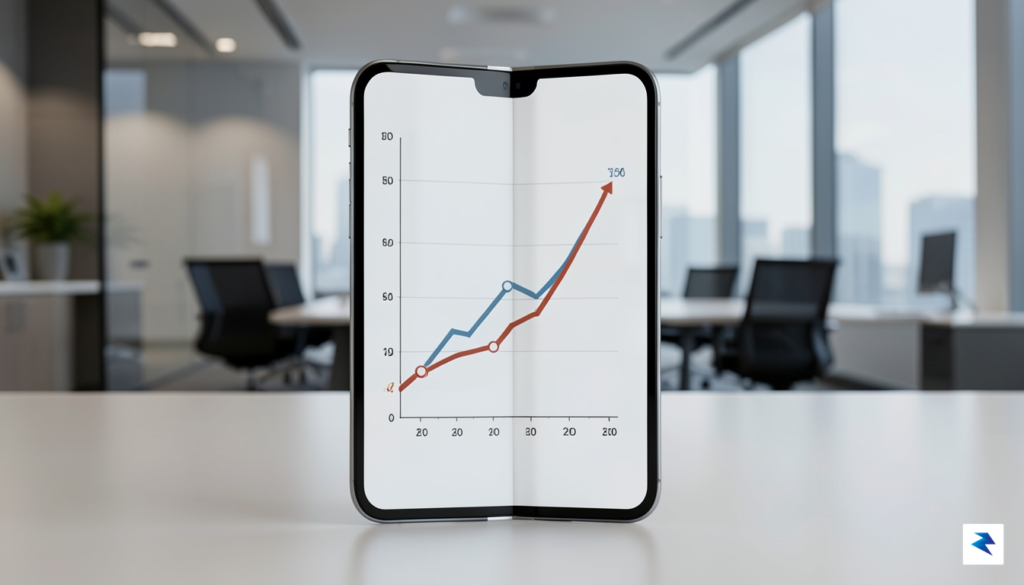
For years, Samsung enjoyed the luxury of being the undisputed pioneer of the foldable smartphone space, operating with little to no meaningful competition. However, the current landscape has shifted dramatically, with manufacturers like Google, OnePlus, and aggressive Chinese OEMs like Honor and Vivo pushing boundaries that Samsung once defined. These rivals have successfully addressed the primary pain point of the early Galaxy Fold generations: the narrow, cramped outer screen. By prioritizing wider aspect ratios that mimic traditional flagship smartphones, these competitors have forced Samsung to move beyond the safety of its original design philosophy. The leaked specifications for the upcoming generation suggest that Samsung is finally listening, pivoting toward a more ergonomic, usable closed-phone experience to ensure it does not lose its foothold in a rapidly saturating market.
This shift in design strategy is not merely an aesthetic preference; it is a calculated response to a more discerning consumer base that refuses to compromise on daily usability. While Samsung’s software ecosystem and hinge durability remain industry-leading, a phone that feels awkward to use when closed becomes a significant deterrent for potential buyers who want the versatility of a tablet without sacrificing the convenience of a pocketable device. By broadening the front display, Samsung aims to neutralize the primary competitive advantage currently held by the Pixel Fold and the OnePlus Open. Maintaining market dominance now requires a delicate balance between retaining the iconic Fold identity and adopting the practical form factors that modern power users demand.
The evolution of the Galaxy Z Fold 8 signifies a transition from experimental novelty to a refined, mass-market utility that can finally go toe-to-toe with non-foldable flagship devices.
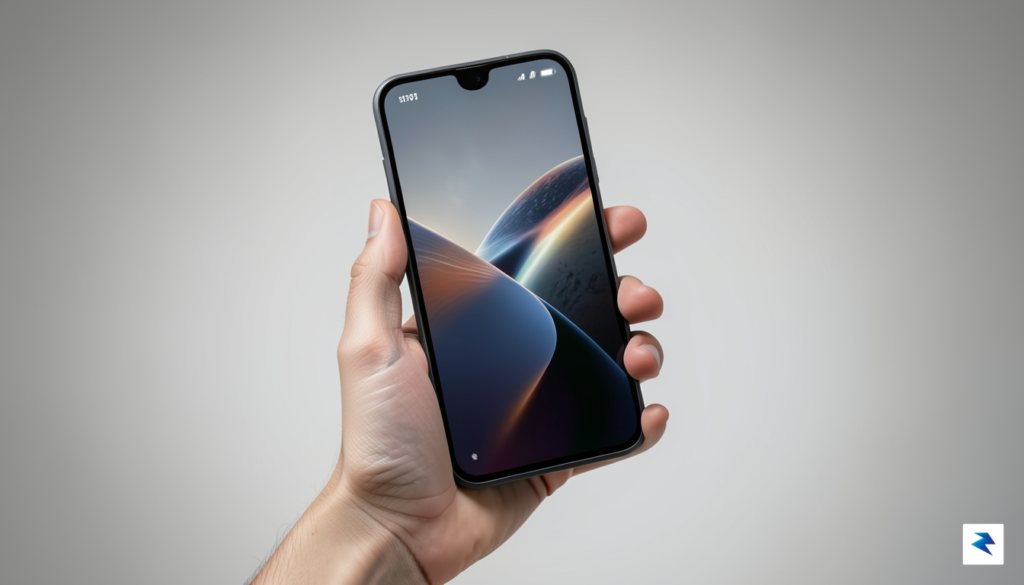
Looking ahead, the upcoming Unpacked event will serve as a critical litmus test for Samsung’s ability to innovate under pressure. Consumers should expect more than just a wider screen; they should look for hardware refinements that harmonize this new shape with improved battery efficiency and a thinner profile. If the leaks prove accurate, Samsung is preparing a device that effectively bridges the gap between the portability of a standard smartphone and the expansive productivity of a tablet. Ultimately, these design changes are essential for Samsung to prove that it remains the primary architect of the foldable era, ensuring that as the market matures, the Galaxy brand remains the benchmark against which all other innovations are measured.
You must be logged in to post a comment.