
Why Lorde and the Public Are Skeptical of AI Glasses
The Intersection of Celebrity Culture and Wearable Tech When Lorde took the stage at the Real Cool Festival, she inadvertently became the…
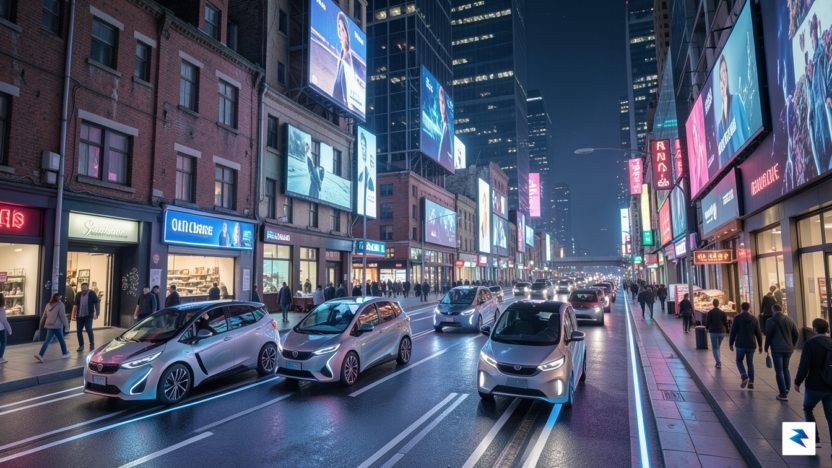
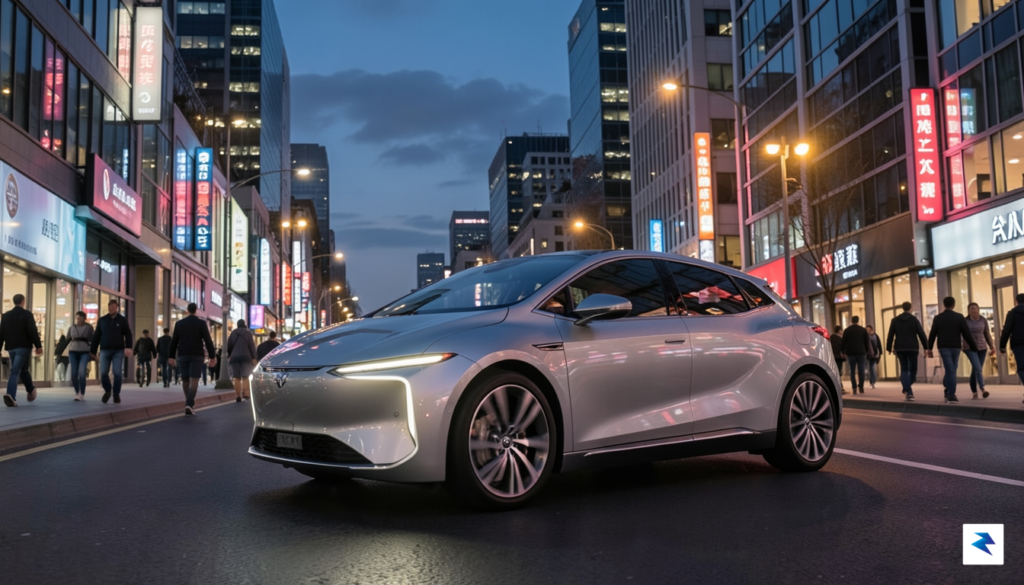
For over a decade, the autonomous vehicle sector lived in a comfortable bubble of speculative research and development. During this era, pilot programs were celebrated for their novelty, and minor technical hurdles were often dismissed as mere growing pains on the inevitable road toward a driverless future. However, that era of infinite runway has decisively concluded. We have officially entered a high-stakes era of industrial accountability, where the industry can no longer rely on the promise of future breakthroughs to maintain investor enthusiasm. The transition from controlled, geofenced testing to widespread, commercial deployment represents the most critical juncture in automotive history, forcing companies to move beyond the sandbox and into the unforgiving reality of public infrastructure.
This shift has manifested as a definitive ultimatum: developers must now prove that their systems can operate with a safety record that objectively and consistently exceeds that of human drivers. Regulators, once patient observers of innovation, are now demanding rigorous empirical data that validates the safety claims of these fleets. Similarly, capital markets have tightened their grip, demanding a clear roadmap to profitability that moves past the “burn rate” mentality of the startup years. The pressure is no longer just about perfecting the underlying neural networks; it is about scaling operations in a way that is economically sustainable without compromising the stringent safety standards required for public roads.
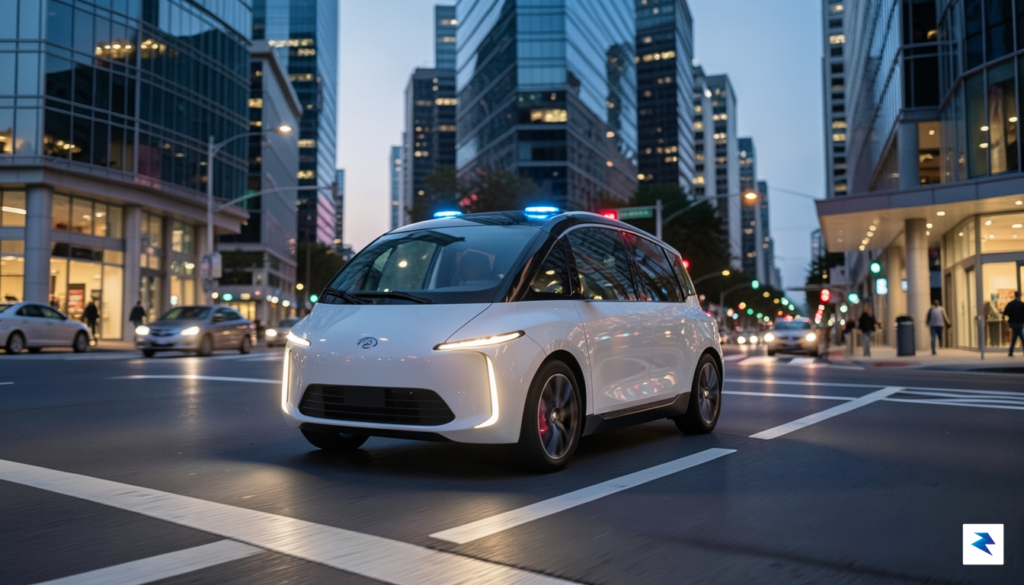
The industry is moving from an age of ‘demonstration’ to an age of ‘demonstrable safety,’ where the cost of a single failure is no longer just a headline, but a potential existential threat to the company’s ability to operate.
The complexity of this transition cannot be overstated. Moving from a geofenced area—where the vehicle “knows” its environment intimately—to a broader, more unpredictable urban landscape requires a quantum leap in edge-case handling and reliability. Developers are now facing the harsh reality that software updates alone cannot bridge the gap between “impressive prototype” and “reliable public utility.” They are being forced to refine their hardware stacks, optimize fleet logistics, and cultivate deep, transparent relationships with local governments. Ultimately, the survival of the robotaxi model hinges on this transition; those that fail to balance the demands of scalability with the non-negotiable imperative of human safety will find their programs sidelined in favor of more disciplined, commercially viable competitors.
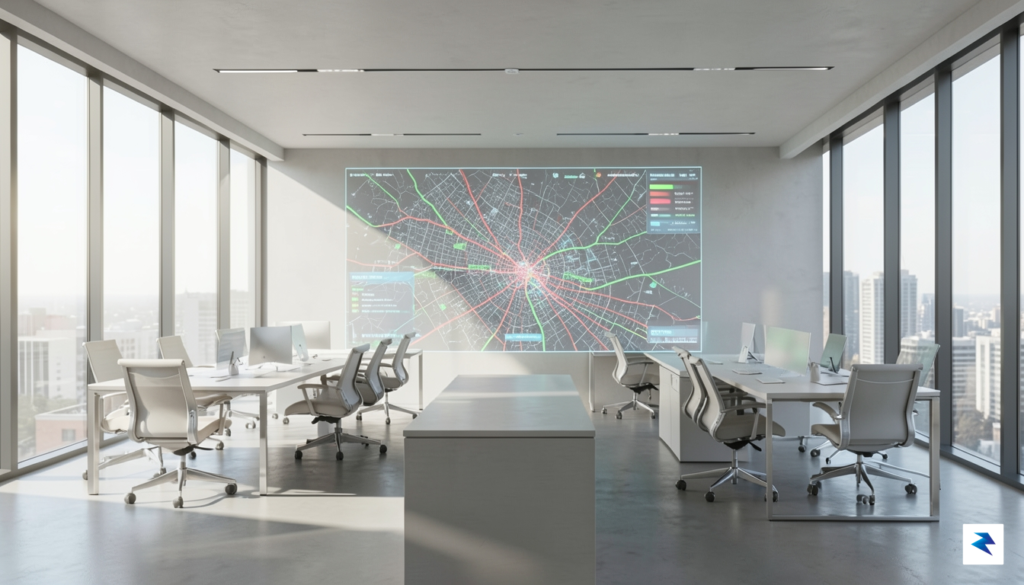
The transition from human-piloted vehicles to autonomous robotaxis is currently colliding with a reality as rigid as a concrete barrier: the fragmented nature of modern transportation law. Currently, companies like Waymo and Zoox are forced to navigate a dizzying patchwork of state-level requirements, city ordinances, and municipal permits that vary wildly from one jurisdiction to the next. This regulatory inconsistency creates a massive operational bottleneck, where a fleet deployment strategy that succeeds in Phoenix might be legally barred in San Francisco due to conflicting safety reporting mandates or differing definitions of “driverless” operation. For the industry to mature, this local-first approach must evolve into a cohesive federal framework that prioritizes safety without strangling the rapid pace of technological innovation.
Recent legislative scrutiny has highlighted the growing friction between policymakers and autonomous vehicle (AV) developers. When safety incidents occur—ranging from minor traffic obstructions to more complex navigational errors—lawmakers are often quick to react with restrictive emergency ordinances that reflect a lack of standardized safety metrics. The absence of a unified federal mandate means that every time a robotaxi company enters a new market, they are effectively starting from scratch in terms of regulatory negotiation. This cycle is unsustainable for long-term scalability. Instead, the industry requires a standardized safety certification process that transcends state lines, ensuring that an autonomous system deemed safe in one region is recognized as meeting the baseline requirements for deployment nationwide.
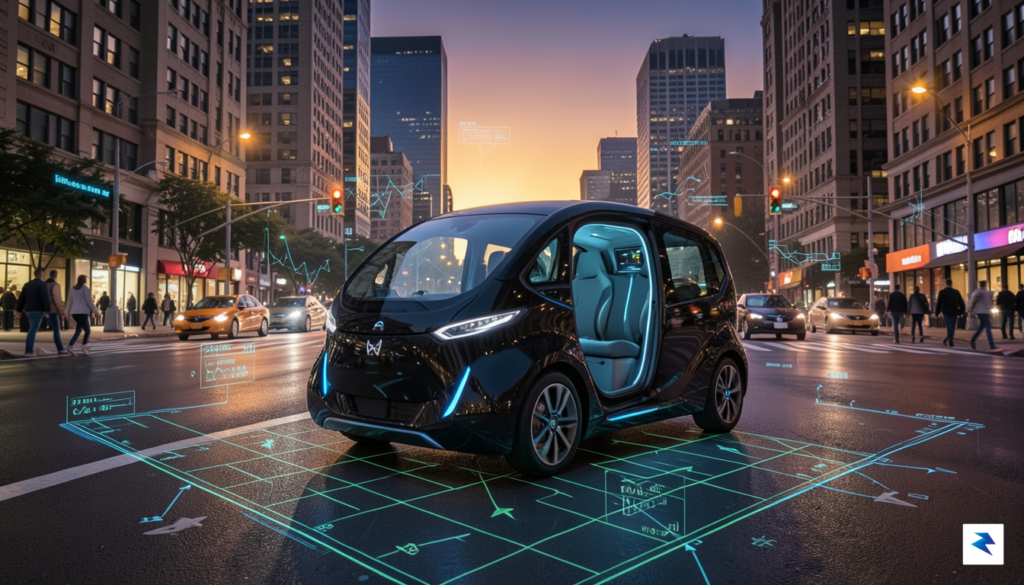
A unified federal mandate, while difficult to achieve, would provide the clarity that both the public and the private sector desperately need. Such a framework would likely focus on transparent data-sharing protocols, requiring companies to provide consistent, real-time safety reports to federal regulators rather than a fragmented collection of local transit authorities. By establishing a federal “gold standard” for AV performance, the government could replace the current environment of suspicion and reactive policy with a proactive, evidence-based oversight model. This shift would allow engineers to focus on refining their algorithms rather than spending their resources on legal compliance for every individual municipality.
The path to widespread adoption is not just a challenge of sensor fusion or artificial intelligence; it is a challenge of governance that demands a bridge between the speed of silicon and the deliberate pace of democracy.
Ultimately, the goal of this regulatory overhaul is to build public trust, which remains the greatest hurdle for the AV industry. When regulations are clear, consistent, and rigorously enforced, the public is far more likely to embrace the promise of safer streets and reduced traffic. If the industry can work alongside legislators to codify safety standards into a predictable national roadmap, it will do more to accelerate adoption than any single breakthrough in machine learning. Without such alignment, the robotaxi revolution risks being stalled by the very policies intended to protect the people it aims to serve.

The journey from basic driver assistance systems to fully autonomous vehicles isn’t merely an incremental upgrade; it represents a profound paradigm shift driven by monumental advancements in artificial intelligence. Where early cruise control or lane-keeping features relied on relatively simple, rule-based algorithms, the ambition of true self-driving demands an AI engine capable of perceiving, predicting, and reacting with a sophistication that rivals, and ideally surpasses, human cognitive abilities. This fundamental transition hinges on the evolution from rigidly programmed instructions to dynamic, learning systems powered by massive neural networks, allowing vehicles to navigate the unpredictable chaos of real-world environments with unprecedented precision.
At the heart of this transformation is the move from traditional, rule-based programming to end-to-end deep learning. Historically, autonomous prototypes were built on explicit rules: if obstacle detected at X distance, brake; if traffic light is red, stop. While effective for well-defined scenarios, this approach quickly becomes unmanageable when faced with the infinite variables of human behavior, unusual weather, or complex urban landscapes. Deep learning, conversely, trains neural networks on colossal datasets of real and simulated driving scenarios, enabling them to learn intricate patterns and relationships directly from raw sensor data. This allows the vehicle to develop a nuanced “understanding” of its surroundings, interpreting ambiguous situations and generating driving commands in a holistic, integrated manner, rather than relying on a brittle chain of if-then statements.
Achieving this level of understanding requires a symphony of sensors working in perfect harmony, orchestrated by powerful edge computing. LiDAR sensors meticulously map the vehicle’s 3D environment with high precision, while radar provides robust velocity and distance data, crucial in adverse weather conditions. Cameras, perhaps the most critical for semantic understanding, identify traffic lights, road signs, lane markings, and crucially, the subtle cues of human pedestrians and other drivers—like gaze direction or body language. All this raw data is then fused together in real-time by powerful processors located directly within the vehicle, known as edge computing. Processing data locally minimizes latency, which is absolutely critical for split-second decision-making in a moving vehicle, ensuring the AI can react instantly to dynamic situations without relying on slower, cloud-based computations.
However, the ultimate test for autonomous AI lies in mastering the so-called ‘long-tail’ edge cases. These are the rare, often bizarre, but potentially dangerous scenarios that statistically occur infrequently but demand perfect handling—think of an unexpected animal darting into the road, a rogue mattress flying off a truck, or a uniquely complex construction zone. Rule-based systems buckle under such novelty, but even advanced neural networks face immense challenges here due to the scarcity of training data for such events. The solution involves sophisticated simulation environments where these rare scenarios can be re-created and practiced millions of times, coupled with continuous learning from real-world disengagements and human interventions. This iterative process of exposure, learning, and refinement is what slowly but surely builds the robust intelligence needed to navigate the truly unpredictable elements of our roads, ensuring safety even in the most improbable circumstances.
In essence, the shift to advanced AI and neural networks isn’t just about making cars smarter; it’s about fundamentally rethinking how vehicles perceive and interact with the world. It’s a leap from programmed responses to learned intelligence, from isolated sensors to integrated perception, and from predictable outcomes to robust adaptability. This sophisticated AI engine is the foundational technology that promises to transform the promise of autonomous scalability from an ambitious vision into a tangible reality, paving the way for a future where robotaxis can reliably and safely operate alongside human drivers.
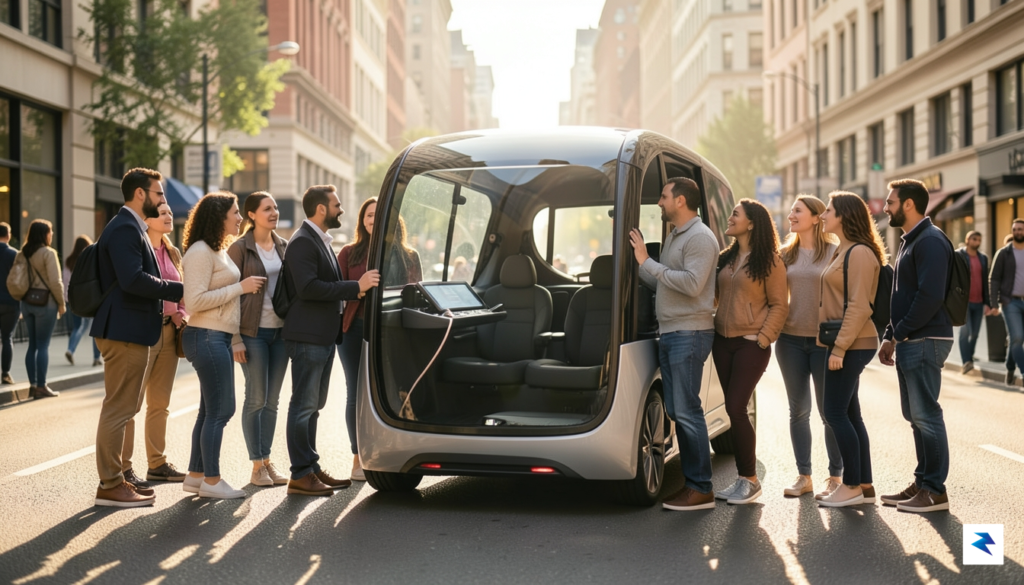
While engineers continue to refine the sophisticated sensor suites and machine learning models that power autonomous vehicles, the most formidable obstacle to mass adoption remains entirely human. We have reached a psychological impasse: the technology is rapidly approaching the threshold of technical feasibility, yet public sentiment remains deeply skeptical. Surveys consistently reveal that a majority of potential riders feel profound anxiety at the prospect of stepping into a vehicle devoid of a human operator, viewing the algorithm not as a safer alternative, but as an unpredictable variable. This hesitation is rooted in our inherent need for agency; relinquishing the steering wheel means surrendering control, an act that feels fundamentally counterintuitive to the average commuter accustomed to decades of driving experience.
The discrepancy between perception and statistical reality is perhaps the greatest challenge for the industry to navigate. High-profile incidents involving autonomous vehicles—often amplified by sensationalist media coverage—tend to leave a lasting imprint on the public consciousness, overshadowing the sobering, daily reality of human-caused road fatalities. While a single collision involving a robotaxi can trigger a wave of national scrutiny, the thousands of accidents caused by human distraction, fatigue, or impairment are often relegated to the background noise of modern life. Bridging this gap requires more than just better software; it necessitates a comprehensive effort to reframe how society understands risk, moving the conversation from a fear of the unknown to an appreciation of the statistical safety improvements that autonomous systems promise to deliver.
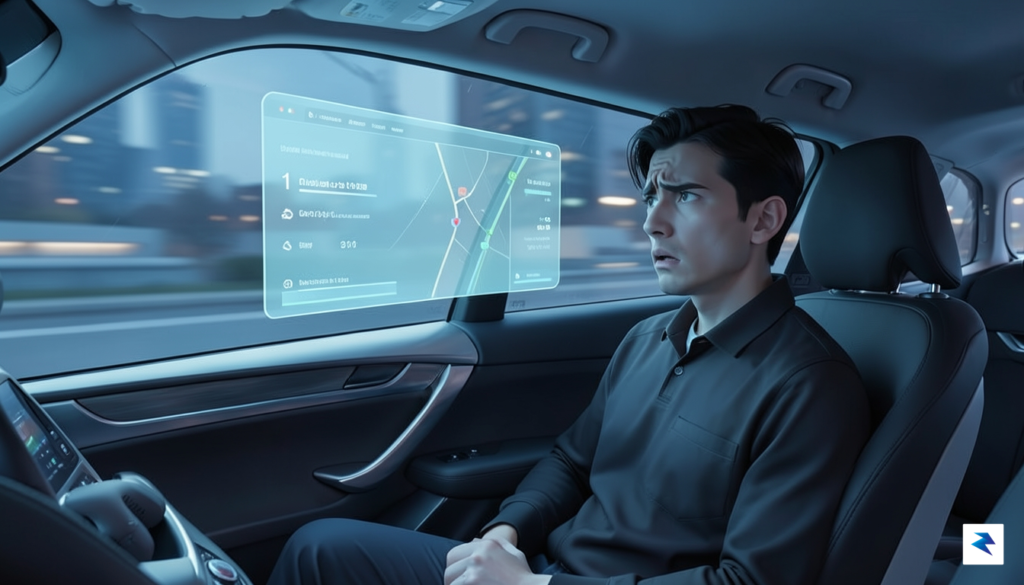
The success of autonomous transit will be measured not by the accuracy of its perception stack, but by the comfort levels of the person sitting in the backseat who must trust an unseen code with their life.
To overcome this barrier, companies must move beyond the “black box” approach and embrace radical transparency as a core business strategy. Building trust requires a proactive commitment to communication, where passengers are kept informed of the vehicle’s decision-making process in real time through intuitive, user-friendly interfaces. By providing clear visual feedback that explains why a vehicle is braking, yielding, or changing lanes, developers can demystify the machine’s behavior and provide riders with a sense of situational awareness. Furthermore, the industry must transition toward a culture of open, proactive safety reporting. When firms publish detailed, granular data on their performance metrics and safety interventions, they invite public scrutiny in a way that builds long-term credibility rather than defensiveness.
Ultimately, the transition to driverless transportation will be an incremental process defined by habituation. As these vehicles become more visible in urban environments and as early adopters share positive, uneventful experiences, the initial aura of technological dread will likely begin to dissipate. Companies that prioritize human-centric design—focusing on the passenger’s emotional state as much as the vehicle’s navigation efficiency—will be the ones that survive the ultimatum. Trust is not built overnight; it is the cumulative result of thousands of safe, seamless, and transparent journeys that prove, through repetition, that the algorithm is indeed a reliable companion on the road.
The transition toward autonomous transit is frequently framed as a software challenge, yet the true bottleneck lies in the brutal math of unit economics and the physical limitations of our current urban environment. Operating a fleet of robotaxis requires far more than just sophisticated artificial intelligence; it necessitates a robust, capital-intensive infrastructure capable of supporting constant operation. Unlike a private vehicle that sits parked for 95% of its lifespan, a robotaxi is a high-utilization asset that generates revenue only when moving. This shift from private ownership to Mobility-as-a-Service (MaaS) fundamentally alters the financial profile of transportation, forcing companies to account for the rapid depreciation of sensors, the high cost of remote human oversight, and the ongoing maintenance cycles required to keep autonomous systems safe and reliable.
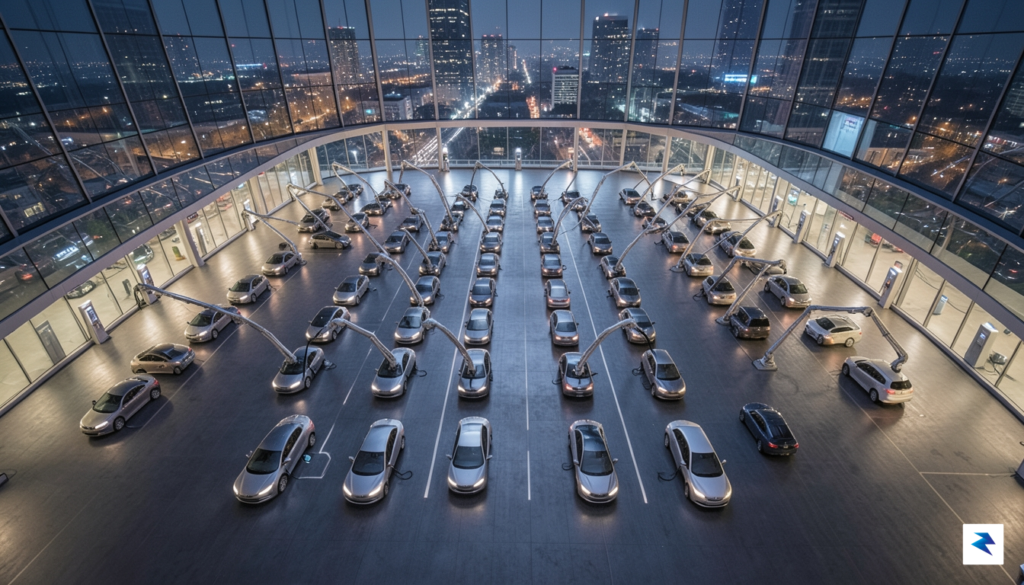
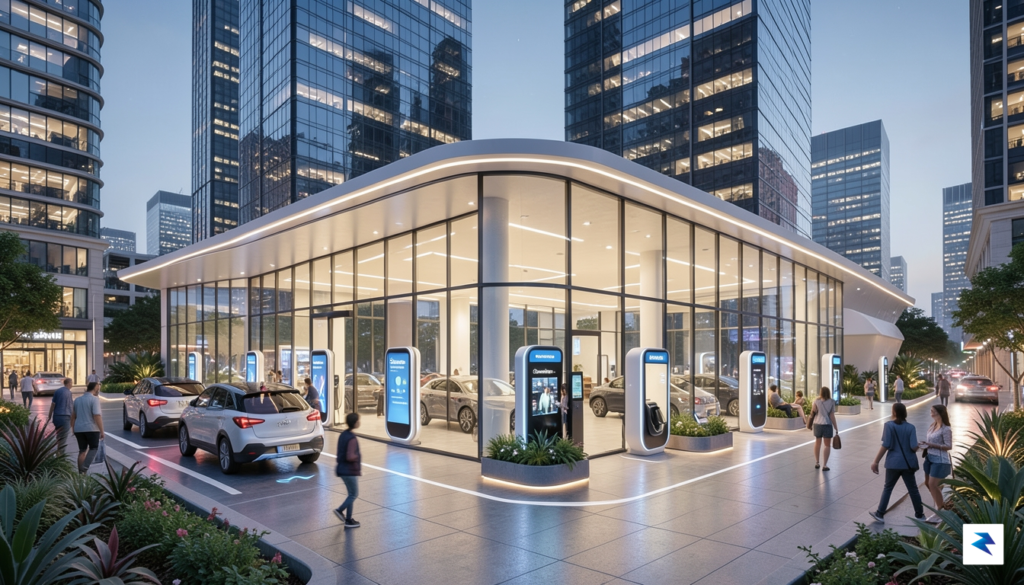
Beyond the internal costs, the infrastructure required to support these fleets introduces significant hurdles for city planners. Scaling robotaxi services requires a massive rollout of specialized charging ecosystems or, in some cases, automated battery-swapping stations that can minimize downtime. Integrating these high-capacity nodes into aging urban grids requires substantial public-private investment, as the power demands of a fully electrified, autonomous fleet far exceed current residential or commercial thresholds. Furthermore, we must rethink the physical space currently dedicated to parking. As the model shifts toward constant movement, the traditional reliance on street-side parking and sprawling parking garages may become obsolete, opening up opportunities for urban developers to reclaim thousands of acres of real estate for green space, housing, or pedestrian-friendly zones.
The long-term viability of autonomous mobility hinges on a paradox: to make robotaxis truly affordable for the masses, the per-mile operational cost must drop below the price of personal vehicle ownership, yet the upfront infrastructure investment remains staggering.
Ultimately, the move toward a MaaS-dominant landscape represents a radical reimagining of how cities function. If the industry can successfully navigate these economic realities, we could witness a significant reduction in traffic congestion and carbon emissions. However, if the cost of service remains tied to the expensive reality of maintaining complex hardware and specialized charging infrastructure, the robotaxi may remain a luxury service rather than a transformative public utility. Achieving the promise of an autonomous future requires a delicate balance between aggressive technological iteration and the slow, necessary work of upgrading the physical world to support the digital one.
You must be logged in to post a comment.