Is Uber Trying to Slow Down Autonomous Driving Adoption?
The Strategic Pivot: Uber’s Stance on Autonomous Policy For years, Uber stood as the undisputed poster child for the "move fast and break…

When Lorde took the stage at the Real Cool Festival, she inadvertently became the latest voice in a growing chorus of skepticism surrounding the future of wearable artificial intelligence. Her candid dismissal of the Ray-Ban Meta glasses as “not sexy” strikes at the heart of Silicon Valley’s greatest challenge: the chasm between functional innovation and genuine cultural resonance. For years, tech giants have attempted to force-fit digital integration into our daily aesthetic, yet they consistently underestimate the importance of the “cool factor.” When an artist who defines modern cultural zeitgeist rejects a product on such primal, aesthetic grounds, it signals a deeper, systemic friction between the cold, utilitarian logic of tech developers and the nuanced, often irrational desires of the public.
The role of celebrity influence in marketing has long been the gold standard for tech adoption, yet the rules of engagement are shifting. In the past, a partnership between a legacy fashion house like Ray-Ban and a tech conglomerate might have been enough to guarantee status, but today’s consumers possess a heightened sense of irony and a deep-seated suspicion of surveillance-adjacent technology. By framing these devices as inherently unappealing, Lorde validates a sentiment that many users feel but struggle to articulate: that the integration of cameras and AI into our eyewear feels less like an upgrade to our human experience and more like a step toward a dystopian monitoring state. This creates a branding paradox where the very features marketed as “convenient” are perceived by the public as intrusive or aesthetically jarring.

“The struggle for wearable tech isn’t just about technical specifications or processing power; it is an uphill battle to convince the public that being ‘connected’ is synonymous with being stylish.”
Furthermore, the contrast between the heritage of Ray-Ban—a brand synonymous with effortless, timeless cool—and the clunky, software-heavy reality of AI-integrated eyewear is stark. Silicon Valley often views the body as a platform to be optimized, whereas the fashion world views it as a canvas for self-expression. When those two philosophies collide, the result is often a product that fails to satisfy either camp. If tech companies hope to move beyond the enthusiast niche and achieve mainstream adoption, they must move past the idea that hardware can be “cool” simply by virtue of its capability. Until they can reconcile the invasive nature of AI with the human desire for privacy and personal style, they will continue to find themselves at odds with the very people they hope to influence.
The graveyard of consumer electronics is crowded with wearable technology that prioritized utility over human vanity. The most infamous example remains Google Glass, a product that promised to bring the digital world directly into our line of sight but instead became a punchline for social awkwardness. By placing a bulky, blinking prism on the wearer’s face, the device signaled to everyone in the room that they were being monitored or recorded, effectively creating a permanent state of social friction. History teaches us a hard lesson: no amount of technical innovation can compensate for a design that makes the wearer look like an intruder in their own social circle rather than a participant.
In an attempt to bypass this “cyborg stigma,” tech giants have recently pivoted toward the Ray-Ban Meta collaboration. By nestling AI hardware into the chassis of a classic, universally recognized frame, Meta hoped to make smart glasses feel like a lifestyle choice rather than a piece of lab equipment. While this is objectively a step forward from the clunky aesthetics of the early 2010s, it still faces the hurdle of mass adoption. As noted by cultural icons like Lorde, even a stylish frame cannot hide the inherent discomfort people feel when confronted with hidden recording tech. When the form factor doesn’t feel natural—or worse, when it feels like a transparent attempt to normalize surveillance—the public remains rightfully skeptical.
The core issue is that for a wearable device to become a staple of daily life, it must pass the “fashion test” before it can ever be judged on its functional merits. People are inherently protective of their self-image, and they are unlikely to wear anything that invites unwanted scrutiny or makes them appear out of touch with their environment. If a device is perceived as “unsexy,” it creates a psychological barrier that prevents it from crossing over from a niche gadget for early adopters into a mainstream accessory. Until these devices can seamlessly disappear into the wearer’s personal style without sacrificing their technological integrity, they will likely remain relegated to the periphery of the fashion world.
True adoption in the wearable space isn’t won through processor speed or AI capability; it is won the moment a user forgets they are wearing tech at all.
Ultimately, the barrier to entry isn’t just about weight or battery life; it is about the social contract between the wearer and the observer. When technology imposes itself on social interactions, it creates a sense of unease that no software update can fix. For smart glasses to reach their full potential, designers must move beyond the current “tech-first” mentality and embrace a philosophy where the hardware is truly invisible. Until we reach a point where AI glasses are indistinguishable from standard eyewear, the public will continue to view these products with the same wariness they reserve for any other intrusive trend.
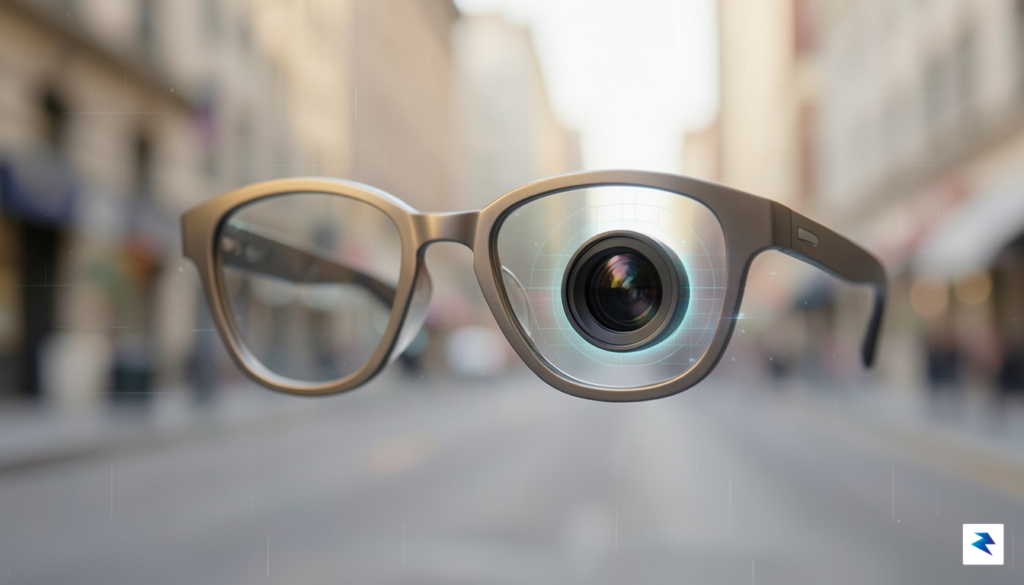
While Lorde’s critique of Ray-Ban Meta glasses may lean toward the aesthetic, her hesitation points to a much deeper, more visceral psychological barrier: the anxiety of being unknowingly recorded in intimate, everyday spaces. When a camera is relegated to a smartphone, the act of photography is deliberate and social—a conscious choice to capture a moment. However, when that lens is integrated into the very frames resting on someone’s face, the barrier between observation and participation collapses. This shift fundamentally alters the power dynamic in social interactions, leaving those around the wearer feeling like subjects in a perpetual, unscripted experiment rather than equals in a conversation.
The core of this discomfort lies in the ambiguity of consent. In traditional photography, a person usually has the opportunity to pose, decline, or simply move out of the frame. With wearable AI technology, the “recording” signal is often subtle or entirely invisible to bystanders, creating a pervasive sense of digital intrusion. This lack of clear, unambiguous cues means that individuals are forced to navigate public and private spaces with a nagging suspicion that their image, voice, or behavior is being logged by a device they cannot easily identify. Consequently, the glasses cease to be merely a fashion accessory and become a potential instrument of surveillance, effectively eroding the social contract of privacy that we rely on to feel comfortable in public.
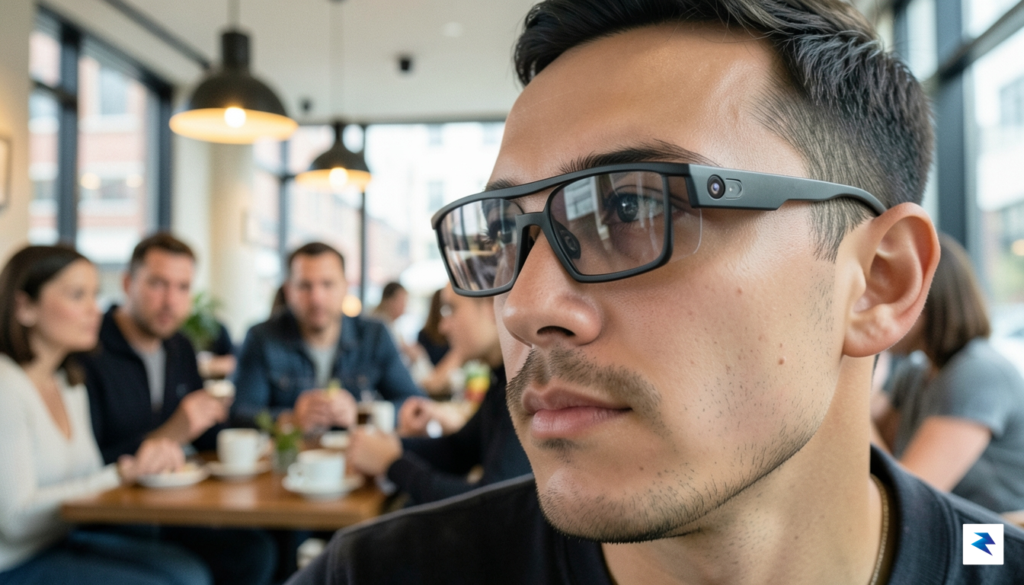
This technological friction has created a widening chasm between two distinct groups: the early-adopting “tech enthusiasts” who view these devices as seamless extensions of the digital self, and the “privacy advocates” who view them as a harbinger of the end of anonymity. For the enthusiast, the glasses represent the peak of efficiency, a way to capture life’s fleeting memories without the clunky intervention of a handheld device. Yet, for the privacy-conscious, this very efficiency is the problem. By making the technology invisible, the tech industry is essentially normalizing the presence of hidden lenses, shifting the burden of discomfort onto the public rather than the manufacturer.
The true cost of “invisible” technology is the erosion of trust; when we can no longer distinguish between a pair of glasses and a recording device, we stop treating public spaces as places of freedom and start treating them as zones of potential performance.
Ultimately, no amount of sophisticated branding or celebrity partnership can fully mitigate the inherent creepiness of a face-worn camera. Whether the discomfort is framed as a lack of “sexiness” or a genuine concern for civil liberties, the reaction remains the same: a protective instinct to guard our autonomy. Until manufacturers find a way to provide transparent, unmistakable indicators of when recording is active, these devices will likely remain a polarizing accessory, caught between the promise of innovation and the very real human need for unobserved, private existence.
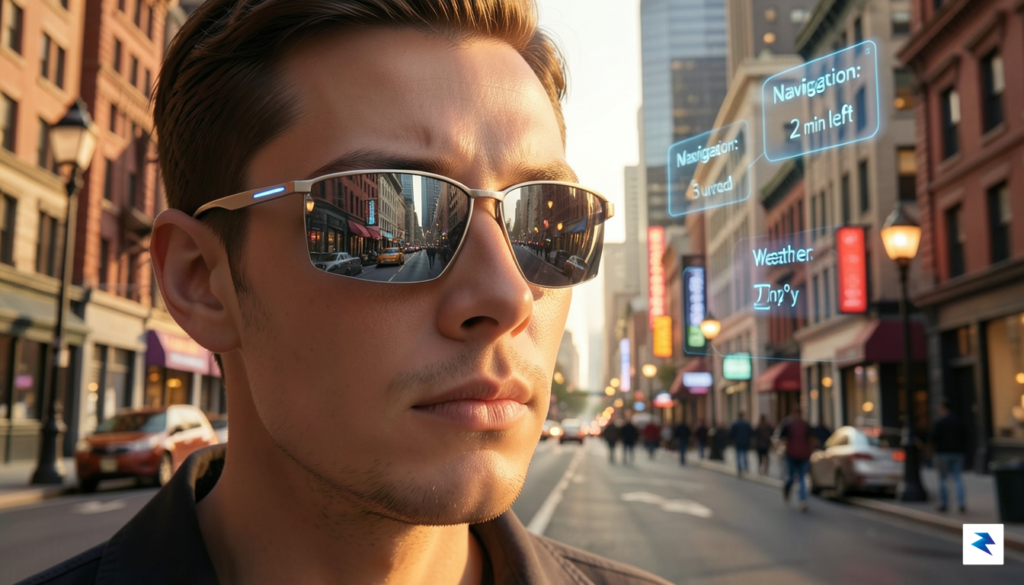
While much of the conversation around AI-powered smart glasses often fixates on their aesthetic appeal, or lack thereof, and the social awkwardness they sometimes project, a more fundamental critique lies in their actual utility. Beyond the polished marketing and sleek designs, we must ask: are these devices genuinely solving problems that warrant their integration into our daily lives, particularly when considering the social friction they can generate? Current iterations, like the Ray-Ban Meta AI glasses, primarily offer features such as quick photo and video capture from a first-person perspective, integrated audio for calls and music, and a voice assistant for hands-free queries. These capabilities undoubtedly add a layer of convenience, allowing users to document moments or access information without reaching for their phone. However, the critical question remains whether this convenience translates into a truly transformative experience that justifies the public’s current skepticism.
This leads directly to the “solution in search of a problem” critique frequently leveled against nascent technologies. Many of the touted features of AI glasses, while convenient, are already capably handled by the ubiquitous smartphone that most individuals carry. Capturing photos and videos, listening to music, or asking a voice assistant a question are tasks seamlessly performed with a device that can be discreetly tucked away when not in use. The added social burden of wearing glasses that might be recording, or constantly interacting with a digital assistant, often outweighs the marginal gains in hands-free operation. If the core problems these glasses aim to solve are already adequately addressed by existing, less conspicuous technology, then their value proposition struggles to gain significant traction, relegating them to a niche gadget rather than an indispensable tool.
For smart glasses to truly break through and shed their “novelty” label, they need to offer more than just a slightly different interface for existing functionalities. The “hands-free” advantage, for instance, often comes with its own set of social awkwardness. Verbally prompting a device in public, even if subtle, can still feel less natural than a quick tap on a screen. What’s truly missing is high-value utility that is uniquely enabled by the glasses form factor – functionality that is genuinely difficult or impossible to achieve with a smartphone. Imagine real-time augmented reality overlays that provide contextual information about the world around you, seamless language translation during a conversation, or intuitive navigation cues without ever looking down. Until such truly integrated, context-aware, and high-impact applications become standard, the perceived benefits struggle to overcome the inherent social cost and the “not sexy” perception.
Ultimately, the adoption of AI glasses hinges on their ability to transition from a “nice-to-have” accessory to a “must-have” necessity. The public is accustomed to technology that fundamentally alters how they interact with their environment or accomplish tasks, becoming so ingrained that life without it feels inefficient. Smartphones, for example, didn’t just replicate existing functions; they converged and enhanced them, creating entirely new paradigms for communication, information access, and productivity. For AI glasses to achieve similar widespread acceptance, they must move beyond mere convenience and address pain points with innovative solutions that genuinely transform daily experiences. Until they deliver a compelling, hands-free utility that unequivocally justifies their presence on our faces, they will likely remain a

The current generation of smart glasses, while undeniably innovative, often grapples with a fundamental perception problem: they simply don’t feel like a natural part of our everyday aesthetic. This isn’t merely about personal taste; it speaks to a deeper challenge in design philosophy. For too long, the approach has been to engineer powerful AI and advanced optics, then attempt to bolt these complex systems onto existing eyewear frames, resulting in devices that can appear clunky, oversized, or overtly tech-laden. This creates a dissonance for users who value both functionality and personal style, leading to a common sentiment that these devices, despite their potential, lack a certain undeniable allure. To truly move forward, the industry must embrace a paradigm shift, moving beyond mere technological integration to genuinely redefine what a wearable computer can and should be.
Looking ahead, the trajectory for smart eyewear points towards an inevitable evolution in hardware design, prioritizing lightness, discretion, and seamless integration. Future iterations will likely shed the bulky components of today, utilizing advancements in micro-optics, flexible batteries, and ultra-efficient processors to shrink their footprint dramatically. Imagine glasses that are indistinguishable from high-fashion frames, yet capable of displaying augmented reality overlays, providing real-time information, and facilitating intuitive interactions without drawing unwanted attention. This evolution isn’t just about making devices smaller; it’s about crafting technology that becomes an invisible conduit to information and connection, feeling less like an attached gadget and more like an organic extension of human perception and interaction.
[IMAGE: A sleek, futuristic pair of smart glasses that are almost indistinguishable from stylish regular eyewear, showing subtle augmented reality overlays in the lenses, worn by a diverse group of people in a vibrant urban setting.]
It’s crucial to understand that this current “unsexy” phase is not a failure, but rather a necessary, if sometimes awkward, growing pain in the lifecycle of revolutionary technology. Every transformative gadget, from the clunky first mobile phones to early digital cameras, has endured an initial period of bulkiness and social awkwardness before evolving into the sleek, indispensable devices we know today. This early stage allows designers and engineers to experiment, gather invaluable user feedback, and iterate on core functionalities without the immediate pressure of mass market fashion acceptance. The public’s skepticism,
You must be logged in to post a comment.